






What's Happening?
Zachary Anthony Klein, an 11-year veteran officer with the Lufkin Police Department (LPD), has been arrested by the Texas Rangers and booked into the Angelina County Jail. He faces charges of abuse of official capacity and tampering with a government
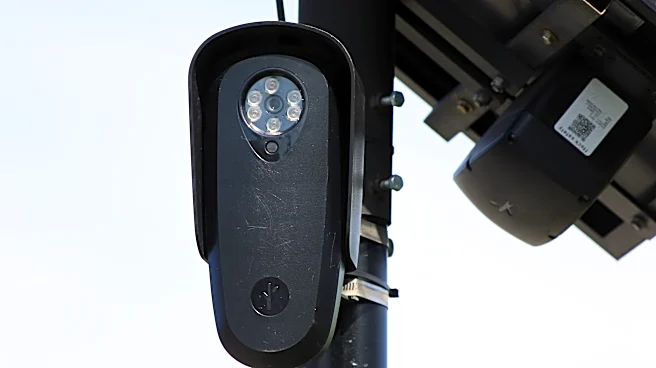
record, stemming from an investigation into his potential misuse of Flock Automated License Plate Reader (ALPR) technology. A second LPD officer has been placed on administrative leave as part of the ongoing investigation. The LPD initiated an audit into the use of the technology after becoming aware of potential issues and requested assistance from the Texas Rangers for an outside investigation. Lufkin Police Chief Travis Brazil has announced the suspension of Flock camera use within the department during the investigation.
Why It's Important?
This incident raises significant concerns about the appropriate use of surveillance technology by law enforcement and the potential for abuse of power. Flock ALPR cameras, designed to aid in crime fighting by tracking vehicle movements, collect vast amounts of data, and their misuse can infringe upon civil liberties and privacy rights. The arrest of an experienced officer and the suspension of the technology's use underscore the seriousness with which the LPD and Texas Rangers are treating these allegations. It highlights the critical need for strict oversight, clear policies, and robust accountability mechanisms when deploying advanced surveillance tools. The investigation's outcome could influence public trust in local law enforcement and potentially lead to broader policy changes regarding ALPR technology use across Texas police departments, emphasizing transparency and adherence to legal and ethical guidelines.
What's Next?
Zachary Anthony Klein remains in Angelina County Jail, with no bond set yet. The Texas Rangers' investigation is ongoing, and further details are expected to emerge as the case progresses. The second officer on administrative leave will also be subject to the findings of this investigation. The Lufkin Police Department's decision to suspend the use of Flock cameras indicates a commitment to addressing the issue and ensuring proper protocols are in place before potentially reinstating their use. This incident may prompt a comprehensive review of LPD's policies on surveillance technology, data access, and officer conduct. Depending on the findings, there could be internal disciplinary actions, criminal prosecutions, and potentially civil lawsuits. The case could also contribute to a wider debate in Texas about the regulation and oversight of ALPR systems and other surveillance technologies used by law enforcement agencies.
Beyond the Headlines
This case delves into the complex intersection of technology, privacy, and law enforcement ethics. The misuse of ALPR technology, which can track individuals' movements and habits, raises fundamental questions about the balance between public safety and individual privacy in a technologically advanced society. It highlights the 'slippery slope' argument often associated with surveillance tools, where technologies designed for legitimate purposes can be exploited for unauthorized or personal gain. The incident also underscores the importance of internal accountability within police departments and the role of external agencies, like the Texas Rangers, in ensuring impartial investigations. This event could serve as a cautionary tale for other law enforcement agencies considering or currently using similar surveillance technologies, prompting them to re-evaluate their training, oversight, and audit procedures to prevent similar abuses and maintain public confidence.