




What's Happening?
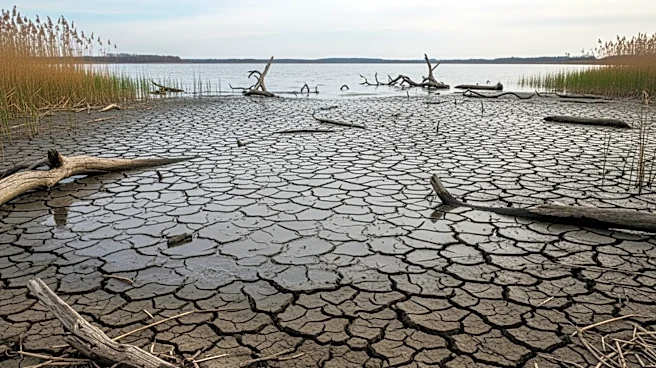
Lakes across the United States are facing significant threats due to climate change, overuse, and pollution. Key lakes such as Lake Mead and Lake Powell are experiencing historic water shortages, impacting water supply and hydroelectric power generation.
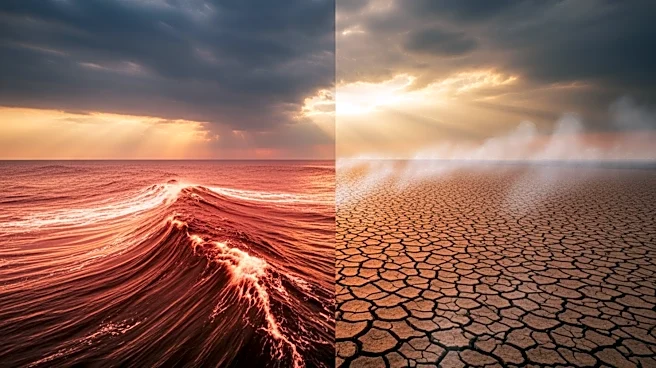
The Great Salt Lake and Lake Erie are also under pressure from rising salinity and harmful algal blooms, respectively. These issues are exacerbated by climate change, which intensifies droughts and increases evaporation rates.
Why It's Important?
The declining health of these lakes poses a serious risk to water security, energy production, and ecological balance. Millions of people rely on these water bodies for drinking water, agriculture, and recreation. The situation calls for urgent action to manage water resources more sustainably, reduce pollution, and address the impacts of climate change. Failure to act could lead to severe consequences for both human populations and natural ecosystems.
What's Next?
Experts suggest coordinated efforts to reduce water consumption, improve water management, and cut nutrient pollution. Addressing climate change through emission reductions is also critical to mitigating long-term impacts. These actions require collaboration between government agencies, local communities, and international bodies to ensure the sustainability of these vital water resources.