






What's Happening?
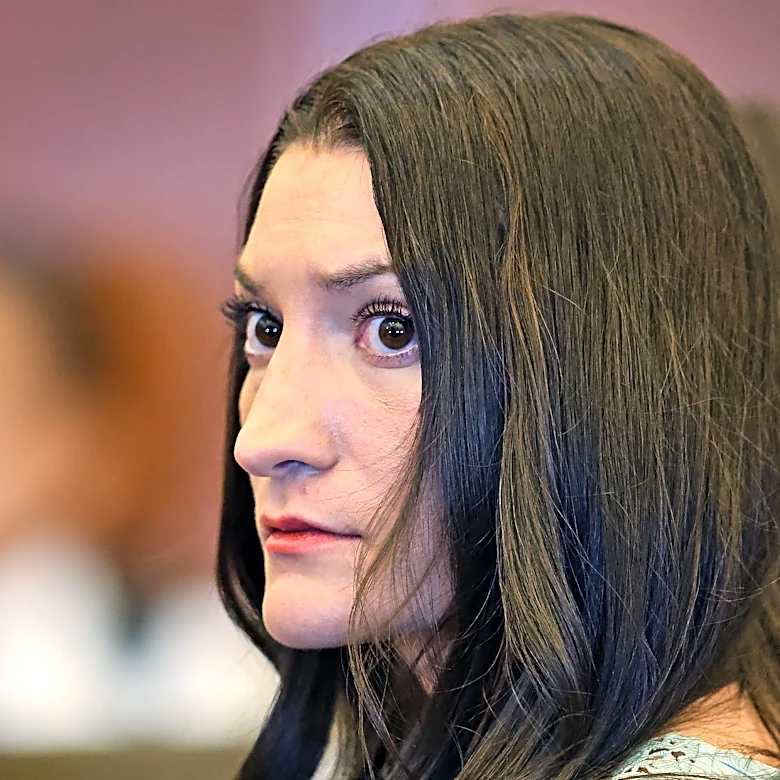
Josmary Páez Fonseca, a lawyer and court inspector, has announced her candidacy for a magistrate position within Venezuela's Supreme Tribunal of Justice (TSJ). During an interview on Unión Radio's 'A Tiempo' program, Páez Fonseca emphasized her extensive
experience, having served at various levels within the TSJ, from the lowest to one of the highest. She believes this background provides her with significant insight into judicial functions and the critical issues plaguing the system. Páez Fonseca stated that her candidacy is driven by a sense of responsibility, offering her knowledge, talent, experience, and a deep commitment to state institutions. She highlighted that simply electing new magistrates will not resolve the systemic problems and stressed the necessity of working 'from within' the institution to prevent the collapse of the judicial power. She also called for professionals dedicated to public service, capable of making difficult but necessary decisions to ensure justice is delivered effectively.
Why It's Important?
Páez Fonseca's call for internal reform within the TSJ is significant for the future of Venezuela's judicial system. Her emphasis on addressing systemic issues from 'within' suggests a recognition that superficial changes, such as merely appointing new magistrates, are insufficient to tackle the deep-rooted problems. This perspective could lead to a more comprehensive approach to judicial reform, potentially improving the efficiency and fairness of the legal process. If her proposals gain traction, they could impact how justice is administered, affecting citizens' trust in the judiciary and the rule of law. The current challenges, as highlighted by the case of lawyer Perkins Rocha, where alleged restrictions on visits were deemed unjustified by his defense, underscore the urgency of such reforms. A more robust and transparent judicial system could foster greater legal certainty, which is crucial for both individual rights and economic stability in Venezuela.
What's Next?
The immediate next step involves the ongoing process of selecting magistrates for the Supreme Tribunal of Justice. Páez Fonseca's candidacy and her reform-oriented platform will be evaluated alongside other aspirants. Her public statements suggest a potential for her to advocate for significant internal changes if appointed. The case of Perkins Rocha, which she cited as an example of the issues within the system, will likely continue to draw attention to the need for judicial accountability and adherence to legal procedures. The broader implications include potential shifts in judicial policy and practice, depending on who is ultimately selected for these critical roles. Stakeholders, including legal professionals, civil society groups, and the public, will be closely watching the selection process and the subsequent actions of the new magistrates to see if the proposed internal reforms are implemented.
Beyond the Headlines
Páez Fonseca's focus on working 'from within' the TSJ touches upon a fundamental challenge in many judicial systems: the balance between external oversight and internal accountability. Her argument that simply electing new magistrates is not a panacea suggests a deeper understanding of institutional inertia and the need for cultural shifts within the judiciary. This approach could lead to a re-evaluation of how judicial training, ethical standards, and performance metrics are applied. The ethical dimension is particularly salient, as she calls for professionals who are willing to make 'uncomfortable but necessary' decisions. This implies a push against potential corruption or political influence, aiming to restore the judiciary's independence and public trust. Such a transformation, if successful, could set a precedent for other state institutions facing similar challenges, fostering a more resilient and just governance framework in Venezuela.