


What's Happening?
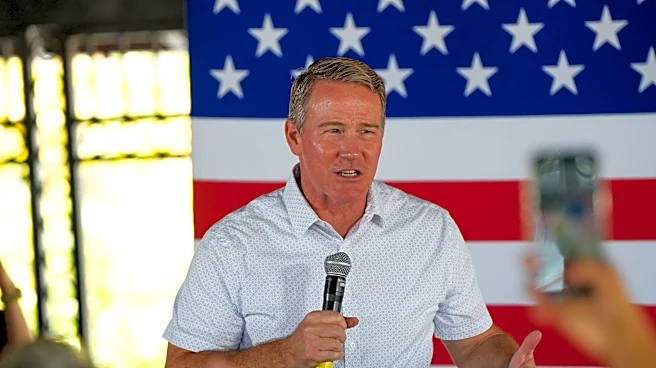
Vivek Ramaswamy, a candidate in the 2026 Ohio gubernatorial election, is facing criticism for attending the U.S. Open in New York City over Labor Day Weekend. According to the Ohio Democratic Party, Ramaswamy traveled to New York on a private jet. This
event occurred with only 60 days remaining until Election Day. The Ohio Democratic Party highlighted that Ramaswamy has spent nearly 40% of 2026 outside of Ohio, despite having stated just four days prior that it was 'rare' for him to leave the state. Ohio Democratic Party spokeswoman Katie Seewer commented on the situation, questioning Ramaswamy's seriousness given the affordability crisis facing Ohio voters. Seewer suggested that instead of engaging with voters, Ramaswamy chose to go to New York with 'fellow billionaires' at the U.S. Open.
Why It's Important?
This event is significant as it draws attention to the campaign strategies and public perception of a gubernatorial candidate during a critical phase of an election. The criticism from the Ohio Democratic Party aims to portray Ramaswamy as out of touch with the concerns of average Ohio voters, particularly regarding economic issues like the 'affordability crisis.' The use of a private jet and attendance at a high-profile event like the U.S. Open can be leveraged by opponents to create a narrative of elitism, potentially alienating voters who are struggling with economic hardships. This could influence voter sentiment and turnout in the upcoming election, as candidates' perceived connection to their constituents often plays a crucial role in electoral success. The focus on his time spent outside the state also raises questions about his commitment to Ohio.
What's Next?
As the 2026 gubernatorial election approaches, it is likely that the Ohio Democratic Party will continue to use this incident, and similar instances, to frame Vivek Ramaswamy's campaign. Ramaswamy's campaign will likely need to address these criticisms, either by defending his actions, shifting focus to policy issues, or increasing his visibility within Ohio. The remaining 60 days before Election Day will be crucial for both campaigns to solidify their messaging and engage with voters. Public opinion polls in the coming weeks may indicate how this criticism impacts voter perception. The incident could also prompt further scrutiny into candidates' travel habits and campaign expenditures, becoming a recurring theme in political discourse leading up to the election.
Beyond the Headlines
Beyond the immediate political implications, this incident touches upon broader themes of political optics and the evolving expectations of public servants. In an era of increased scrutiny and economic anxiety, the perceived lifestyle choices of political candidates can significantly impact their public image and electoral viability. The use of private transportation and attendance at exclusive events can create a disconnect with the electorate, particularly when juxtaposed with discussions of economic hardship. This highlights a persistent challenge for political figures: balancing personal life and campaign demands with the need to appear relatable and empathetic to the concerns of everyday citizens. The narrative also underscores the strategic use of media and public relations by political parties to shape perceptions and influence election outcomes.