







What's Happening?
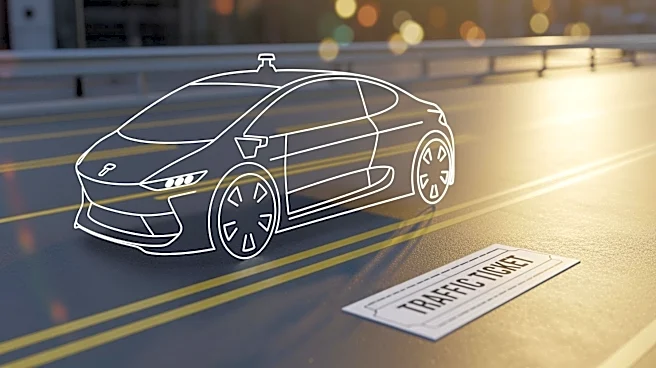
The California Department of Motor Vehicles (DMV) has announced new regulations for autonomous vehicles (AVs), which include the imposition of fines for traffic violations even when no driver is present. These regulations are described as the most comprehensive
in the nation and aim to improve road safety. The rules allow for the issuance of 'electronic geofencing directives' to clear AVs from emergency zones and require companies to respond to emergency calls within 30 seconds. Additionally, AV manufacturers must test heavy-duty vehicles with a safety driver for 500,000 miles before commercial deployment. The regulations, effective from July 1, are part of California's ongoing efforts to lead in AV technology development while ensuring public safety.
Why It's Important?
The introduction of these regulations is significant as it addresses safety concerns associated with autonomous vehicles, which have been operating in a legal grey area. By imposing fines and setting stringent testing requirements, the DMV aims to hold AV manufacturers accountable and ensure that these vehicles operate safely on public roads. This move could influence other states to adopt similar measures, potentially leading to a nationwide standard for AV operations. The regulations also support the growth of the AV industry by providing a clear framework for compliance, which could encourage further innovation and investment in autonomous technology.
What's Next?
As the new regulations take effect, AV manufacturers will need to adapt their operations to comply with the stringent requirements. This includes ensuring that their vehicles can quickly respond to emergency directives and meet the extensive testing criteria. The DMV will likely monitor compliance closely and may adjust the regulations based on feedback and observed outcomes. The industry and public will be watching to see how these changes impact the safety and efficiency of AVs on California roads.