



What's Happening?
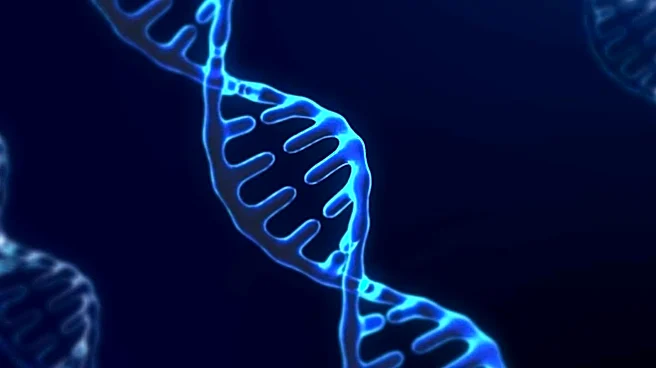
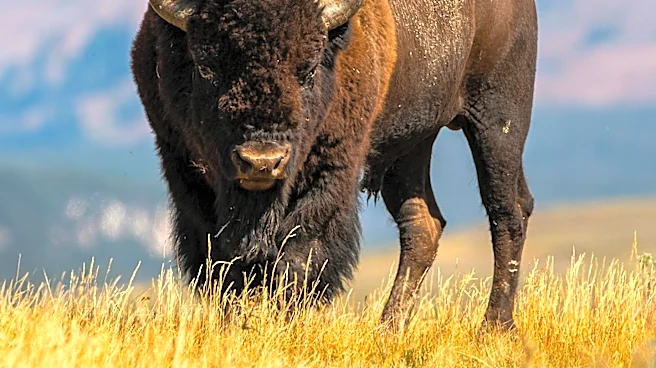
Researchers at the University of California, Santa Cruz, have utilized paleogenomics to create a genetic roadmap for the North American bison, aiming to guide conservation efforts. The study, published in Science, reveals the genetic history of bison, which
once numbered in the tens of millions but were reduced to a few hundred due to human activity in the early 20th century. The research team sequenced the genomes of 160 bison, including ancient specimens, to establish a genetic baseline for healthy bison diversity. This baseline is crucial for genome-matched breeding programs aimed at restoring bison populations. The study also addresses misconceptions about cattle ancestry in bison, finding minimal cattle genetic influence in modern bison.
Why It's Important?
The study is pivotal for conservationists seeking to restore bison populations to their historical genetic diversity. By providing a detailed genetic baseline, the research enables more informed management decisions, helping to maintain the distinctiveness of bison subspecies and prevent genetic homogenization. This work also highlights the importance of using ancient DNA to inform current conservation strategies, offering a model for other species facing similar challenges. The findings have cultural significance as well, emphasizing the bison's role in Indigenous heritage and the need to restore ecological and cultural connections.
What's Next?
The genomic data will be used to guide breeding programs and manage bison herds more effectively, ensuring genetic diversity is preserved. Conservationists may work towards reconnecting isolated herds to form a functioning metapopulation, similar to historical bison populations. The study's insights could influence policy decisions and funding allocations for bison conservation. Additionally, the research may inspire similar genomic studies for other species, further advancing conservation science.