




What's Happening?
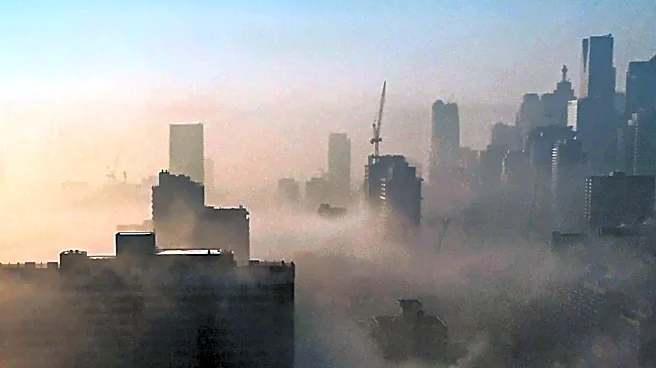
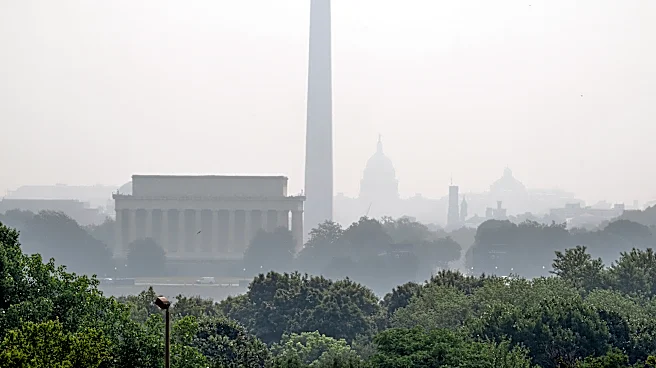
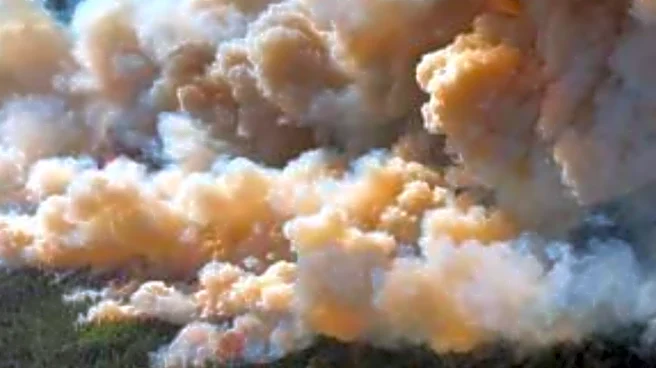
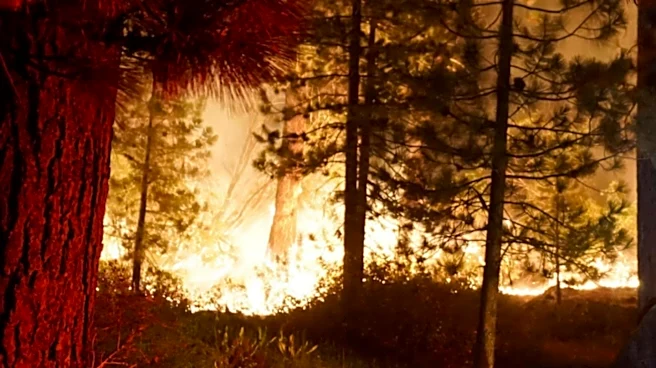
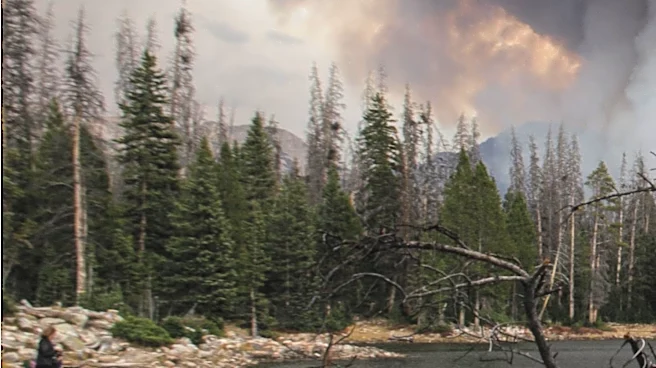
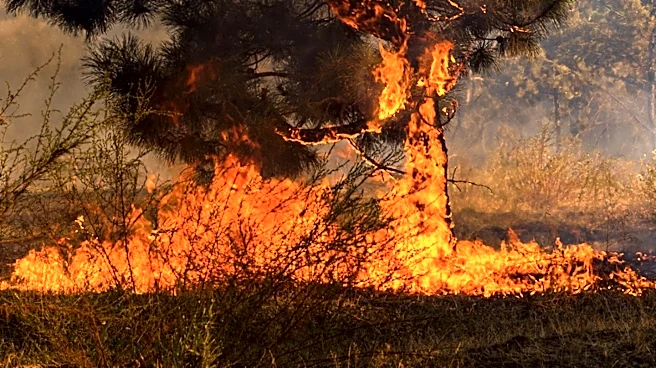
Smoke from Canadian wildfires has returned to Illinois, causing air quality to remain at 'unhealthy' levels. According to AirNow, a platform that aggregates data from various air quality agencies, the smoke re-entered Illinois on Saturday night after
initially moving out to Michigan and Wisconsin. Gino Izzi, a senior meteorologist at the National Weather Service, noted that the smoke is expected to linger in Illinois throughout Sunday before potentially moving back across Lake Michigan on Monday. The Illinois Environmental Protection Agency has issued an air pollution alert for all regions of Illinois, except the St. Louis Metro East area. The alert indicates that air quality is at or above unhealthy levels for sensitive groups, including individuals with heart or lung disease, older adults, teens, and children.
Why It's Important?
The return of wildfire smoke to Illinois highlights the ongoing challenges posed by climate change and its impact on air quality. The presence of fine particulate matter, known as PM2.5, can have serious health implications, particularly for vulnerable populations. These particles can cause immediate irritation to the eyes and nose and, due to their small size, can penetrate deep into the lungs and enter the bloodstream, potentially leading to severe health issues. The situation underscores the broader environmental and public health concerns associated with increasing wildfire frequency and intensity, driven by climate change. As these events become more common, they pose significant risks to public health and necessitate increased awareness and preparedness.
What's Next?
As the smoke continues to affect air quality in Illinois, residents, especially those in sensitive groups, are advised to take precautions such as staying indoors and using air purifiers. The situation also calls for ongoing monitoring by environmental and health agencies to provide timely updates and guidance. In the long term, addressing the root causes of climate change and implementing strategies to mitigate its effects will be crucial in reducing the frequency and impact of such air quality events. Policymakers and environmental groups may need to advocate for stronger climate action and support for affected communities.
Beyond the Headlines
The recurring issue of wildfire smoke affecting air quality in Illinois and other regions raises questions about the adequacy of current environmental policies and the need for more robust climate action. It also highlights the interconnectedness of environmental issues across borders, as smoke from Canadian wildfires impacts air quality in the U.S. This situation may prompt discussions on international cooperation in addressing climate change and managing cross-border environmental impacts. Additionally, it emphasizes the importance of public health infrastructure in responding to environmental crises and protecting vulnerable populations.