



What's Happening?
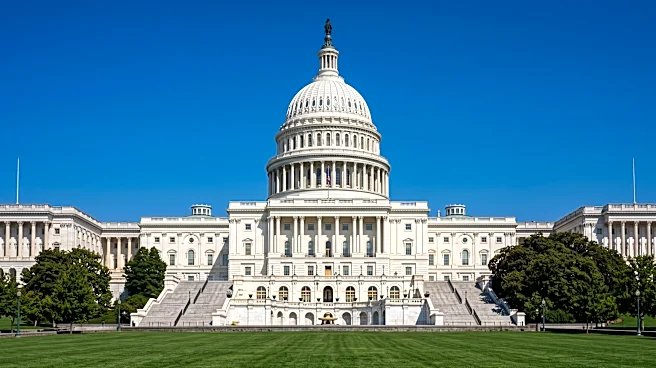
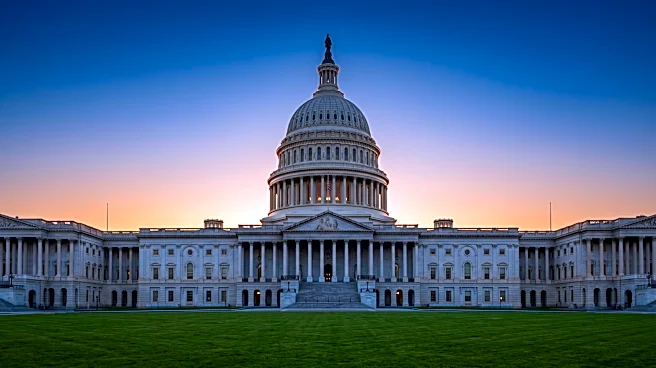
Six students from the University of Georgia's College of Agricultural and Environmental Sciences (CAES) have completed their 12-week Congressional Agricultural Fellowship on Capitol Hill. This immersive program provided students with firsthand experience
in federal governance and agricultural policy in Washington, D.C. The fellows, including Luke Cody, Jesse Cronic, Madeline Elliot, Rebecca Evans, J.R. Goodman, and Emma Pastor, worked in various congressional offices, attending high-level agricultural committee hearings, drafting policy briefings, conducting industry research, and engaging with constituents. Madeline Elliot, for instance, served as a liaison in Rep. Brian Jack’s office, gaining legislative skills and a deeper understanding of the political process. Luke Cody, working in Rep. Sanford Bishop’s office, researched agricultural issues and attended a U.S. Department of Agriculture Animal and Plant Health Inspection Service roundtable. The program aims to provide students with practical experience that cannot be gained in a classroom setting, fostering their personal and professional growth.
Why It's Important?
This fellowship program is crucial for developing the next generation of leaders in agricultural policy and federal government. By placing students directly into congressional offices, it provides them with an invaluable insider's perspective on how agricultural decisions are made and how they impact communities nationwide. The experience helps students build leadership skills, deepen their understanding of national agricultural issues, and gain confidence in the legislative process. For the U.S., this means a more informed and capable workforce dedicated to addressing complex challenges in agriculture, food, and natural resources. The program also strengthens the connection between academic institutions and the federal government, ensuring that future policymakers are well-versed in the practicalities and nuances of policy implementation. The mentorship provided by congressional offices helps shape these students into effective advocates and contributors to the nation's agricultural future.
What's Next?
Applications for the upcoming fellowship cycle are open until December 2, with the 2027 cohort marking the 30th year of the program. This continuity ensures that a new group of high-achieving undergraduate students with a strong dedication to agricultural, food, and natural resources policy will continue to benefit from this experience. The program will likely continue to evolve, adapting to new agricultural challenges and policy priorities. Graduates of the fellowship are expected to pursue careers in government, agricultural industries, or related fields, bringing their enhanced understanding of the political process and agricultural policy to their future roles. The ongoing success of the program will contribute to a more robust and informed approach to agricultural policy-making in the U.S., with a steady stream of talent entering the field.
Beyond the Headlines
The Congressional Agricultural Fellowship highlights a broader trend of experiential learning programs designed to bridge the gap between academic study and practical governance. These programs are vital for fostering civic engagement and ensuring that future leaders possess not only theoretical knowledge but also hands-on experience in the policymaking process. The emphasis on agricultural policy is particularly significant given the critical role of agriculture in the U.S. economy, food security, and environmental sustainability. By immersing students in the legislative environment, the fellowship cultivates a deeper appreciation for the complexities of policy development, the importance of stakeholder engagement, and the impact of federal decisions on local communities. This initiative also underscores the value of public service and encourages young professionals to consider careers that contribute to the national welfare, particularly in sectors as fundamental as agriculture.