







What's Happening?
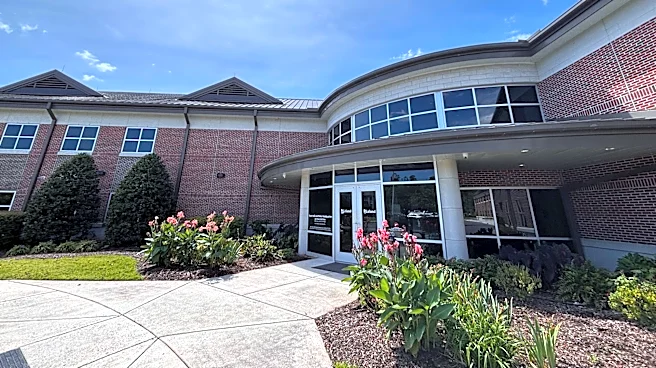
The Brunswick County Tax Office has announced that the next county-wide revaluation of real property will take effect on January 1, 2027. This process involves reviewing and updating property values to accurately reflect current real estate market conditions,
aiming to ensure fair and equitable property valuations across the county. Property owners can visit the 2027 Revaluation website for detailed information on how property is valued, the revaluation timeline, its potential impact on tax bills, and the process for reviewing and appealing new valuations. Additionally, the Tax Office has informed residents that 2026 Brunswick County property tax bills, which were mailed in mid-August to current property owners, are due on September 1st. These taxes can be paid without interest through January 5, 2027. According to North Carolina General Statute, a 2% interest will be added to any unpaid balance starting the day after the payment deadline, with an additional ¾% interest applied on February 1st and on the first day of each subsequent month the account remains delinquent. The Tax Office also provides options for payment arrangements through its Collections Division.
Why It's Important?
The upcoming 2027 revaluation in Brunswick County is significant for all property owners as it directly impacts their property tax obligations. Revaluations are crucial for maintaining fairness in the tax system by ensuring that property assessments align with current market values. Without regular revaluations, property owners whose values have increased might be under-taxed, while those whose values have decreased could be over-taxed, leading to inequities. This process helps distribute the tax burden more equitably among property owners. For residents, understanding the revaluation process and its potential effects on their tax bills is vital for financial planning. The clear communication of tax payment deadlines and the availability of payment arrangements are also important, as they help residents avoid penalties and manage their financial responsibilities effectively. The interest charges for delinquent payments underscore the importance of timely payment, impacting household budgets and potentially increasing the cost of property ownership for those who miss the deadlines.
What's Next?
Brunswick County property owners should anticipate receiving information regarding their new property valuations as the January 1, 2027, revaluation date approaches. It is advisable for property owners to actively monitor the 2027 Revaluation website for updates and to understand the methodology used for valuation. Those who believe their new valuation is inaccurate will have the opportunity to review and appeal the assessment, a process that will be detailed on the county's website. For the current 2026 tax bills, property owners must ensure payment is made by January 5, 2027, to avoid interest charges. Individuals facing difficulties in meeting this deadline are encouraged to contact the Collections Division of the Brunswick County Tax Office to discuss potential payment arrangements. The Tax Office will continue to provide resources and support to help residents navigate these processes, including information on how to pay taxes and manage delinquencies.
Beyond the Headlines
The cyclical nature of property revaluations, as seen with Brunswick County's 2027 schedule, highlights a broader challenge for local governments: balancing the need for stable revenue streams with the desire for equitable taxation. While revaluations aim for fairness, they can sometimes lead to significant increases in property taxes for long-term residents, particularly those on fixed incomes, even if their disposable income has not risen proportionally. This can create affordability issues and potentially contribute to gentrification in certain areas. The transparency and accessibility of the revaluation process, including clear appeal mechanisms, are crucial for maintaining public trust and ensuring that all property owners feel their assessments are just. Furthermore, the communication of tax deadlines and payment options reflects a commitment to public service, but it also underscores the administrative complexities involved in managing a large-scale tax collection system and the importance of citizen engagement in understanding their civic duties and rights regarding property taxation.