




What's Happening?
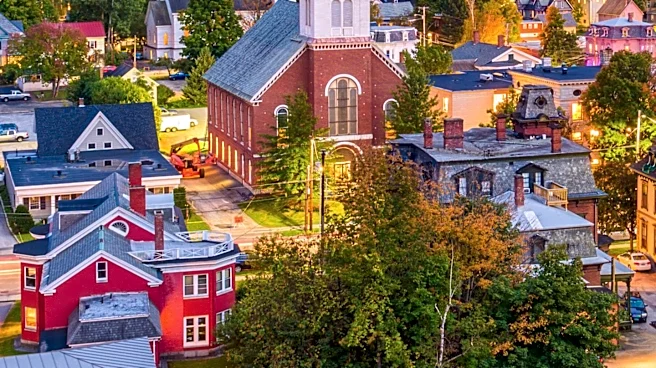
A new study by WalletHub has identified Vermont as the safest state in America. The research evaluated all 50 states across 52 safety metrics, categorized into five key areas, including unemployment rates, assaults per capita, and climate disaster losses.
Vermont secured the top spot due to its strong performance in neighborhood safety, financial security, and road safety. Specifically, nearly 76% of Vermont parents believe their neighborhoods are safe, the state has the third-highest percentage of neighborhood watch groups per capita, and it ranks low in murders, serious assaults, and thefts. Financially, Vermont boasts one of the lowest unemployment rates at 2.7%, the third-lowest rate of non-business bankruptcies, and the lowest percentage of significantly underwater mortgages. The state also excels in road quality, with the second-best roads in the U.S., and low traffic and pedestrian fatalities. Conversely, Mississippi was ranked as the least safe state, performing poorly in financial safety, road safety, workplace safety, and emergency preparedness. Other states at the bottom included Louisiana, Texas, Florida, and Arkansas.
Why It's Important?
This study provides a comprehensive look at safety across the United States, offering valuable insights for residents, policymakers, and businesses. For individuals, the rankings can influence decisions related to relocation, family planning, and overall quality of life, as safety is a primary concern. For state governments, the metrics highlight areas needing improvement, such as crime reduction, economic stability, and disaster preparedness. States with lower rankings, particularly in the South, may face challenges in attracting new residents and businesses if safety concerns persist. A strong safety profile, as demonstrated by Vermont, can contribute to economic growth by fostering a stable environment for investment and development. The study also underscores the multifaceted nature of safety, extending beyond crime rates to include financial well-being and resilience against natural disasters, which are critical for long-term community stability and prosperity.
Beyond the Headlines
The WalletHub study's broad definition of safety, encompassing financial security and disaster preparedness alongside traditional crime metrics, reflects an evolving understanding of what constitutes a 'safe' environment. This holistic approach suggests that true safety is not merely the absence of crime but also the presence of economic stability and resilience against various threats. The disparity between the Northeast and Southern states in the rankings could indicate underlying socio-economic and infrastructural differences that contribute to varying levels of safety. For instance, states with robust economies and well-maintained infrastructure may naturally fare better in categories like financial security and road safety. This broader perspective encourages policymakers to adopt integrated strategies that address economic disparities, improve infrastructure, and enhance community resilience, rather than focusing solely on law enforcement, to create truly safe environments for their citizens. The findings could also spark discussions about regional development policies and resource allocation to address systemic issues contributing to lower safety rankings in certain areas.