







What's Happening?
China's Premier Li Qiang has addressed concerns regarding the country's technological advancements, asserting that they represent an opportunity rather than a threat to the world. Speaking at the World Economic Forum's Annual Meeting of the New Champions
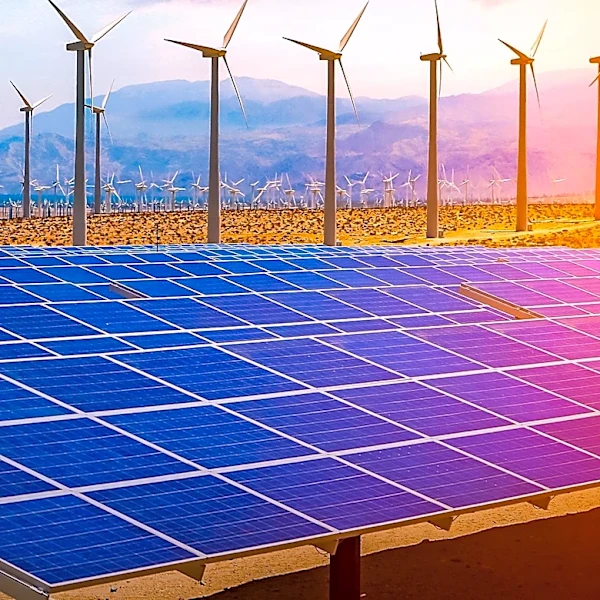
in Dalian, Li emphasized that China's tech innovations, including electric vehicles, solar panels, and artificial intelligence, should be seen as 'China Opportunity 2.0' rather than a 'China Shock 2.0.' He refuted claims that China's tech sector growth is primarily due to state subsidies, arguing instead that the country's large domestic market and corporate investments are key factors. Li highlighted companies like Huawei and Unitree as examples of China's innovation success, despite facing Western restrictions.
Why It's Important?
The remarks by Premier Li Qiang are significant as they come amid growing global scrutiny of China's technological rise and its implications for international markets. Western countries have expressed concerns over China's state subsidies, which they argue create unfair competitive advantages. Li's defense of China's tech sector underscores the ongoing geopolitical tensions surrounding technology and trade. The framing of China's advancements as opportunities rather than threats could influence international perceptions and policies, potentially affecting global trade dynamics and economic relations. Stakeholders in the U.S. and Europe may need to reassess their strategies in response to China's positioning of its tech sector.
What's Next?
The international community, particularly Western nations, may continue to scrutinize China's tech policies and their impact on global markets. Potential responses could include increased protectionist measures or calls for more stringent regulations on Chinese tech imports. The dialogue initiated by Li's remarks may also lead to further discussions at international forums about balancing innovation with fair competition. Companies like Huawei and Unitree, which have been highlighted by Li, may face ongoing challenges in securing international contracts, especially in regions with heightened security concerns.