



What's Happening?
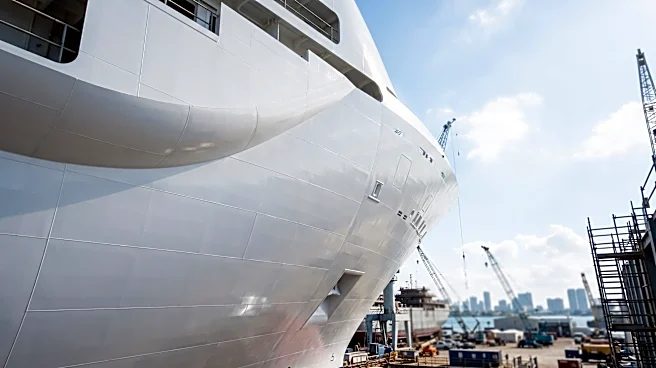
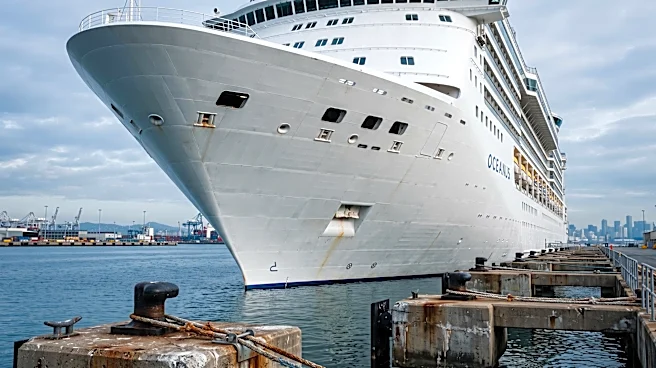
The U.S. Coast Guard detained the MSC Poesia, a Panama-flagged cruise ship operated by MSC Cruises, at PortMiami on November 1, 2026. This action prevented the vessel from departing on its scheduled 11-night Caribbean voyage. The Coast Guard confirmed
that inspectors were examining the ship's compliance with international maritime standards and U.S. regulations, focusing on passenger and crew safety, vessel security, and environmental protection. MSC Cruises acknowledged the delay and stated its cooperation with authorities. As of November 2, 2026, neither the Coast Guard nor MSC Cruises had publicly identified a specific deficiency or confirmed a violation of the International Convention for the Safety of Life at Sea (SOLAS). The incident underscores the U.S. authority to inspect and restrict foreign-flagged vessels within its ports, even though Panama remains the ship's flag state. Passengers were reportedly offered shuttle transportation to Bayside in Miami, and there were indications that the sailing might be canceled if Coast Guard clearance was not obtained.
Why It's Important?
The detention of the MSC Poesia highlights the critical role of port-state control in ensuring maritime safety and compliance with international and domestic regulations within U.S. waters. This incident demonstrates that foreign-registered vessels are not immune from American enforcement authority when operating in U.S. ports. For the cruise industry, such detentions can lead to significant operational disruptions, financial losses, and reputational damage. Passengers face immediate itinerary changes, potential cancellations, and uncertainty regarding refunds or alternative arrangements. The event also underscores the complex interplay between flag-state responsibilities (Panama, in this case) and the territorial jurisdiction of port states like the U.S. It reinforces the U.S. commitment to upholding safety standards, which is vital for protecting American citizens and the marine environment, and serves as a reminder to all international shipping operators of the stringent oversight they face when entering U.S. ports.
What's Next?
The immediate next step for the MSC Poesia involves the completion of the U.S. Coast Guard's inspection and the resolution of any identified deficiencies. MSC Cruises will need to address any non-compliance issues to the satisfaction of the Coast Guard before the vessel can be cleared for departure. Depending on the severity and nature of the findings, this could involve repairs, procedural changes, or additional crew training. For passengers, the situation remains fluid, with potential outcomes ranging from a delayed departure to a full cancellation of the voyage, which would trigger discussions about refunds, future cruise credits, or alternative travel arrangements. The Federal Maritime Commission (FMC) administers financial-responsibility requirements for passenger vessel operators, which could come into play if the voyage is significantly delayed or canceled. The incident may also prompt broader reviews within MSC Cruises and other cruise lines regarding their compliance protocols to prevent similar occurrences in the future.
Beyond the Headlines
The detention of the MSC Poesia delves into deeper legal and ethical considerations beyond immediate operational disruptions. Legally, it showcases the robust framework of international maritime law, particularly the International Convention for the Safety of Life at Sea (SOLAS), and how it is enforced through national port-state control mechanisms. It also raises questions about passenger rights, particularly concerning personal liberty if disembarkation is restricted, and contractual obligations for refunds and compensation in cases of government-mandated delays. Ethically, the incident underscores the paramount importance of safety in the cruise industry, where the well-being of thousands of passengers and crew is at stake. It highlights the tension between commercial interests and regulatory oversight, emphasizing that safety cannot be compromised. The event could also spark discussions about the transparency of inspection findings and the communication protocols between authorities, operators, and affected passengers, potentially leading to calls for clearer guidelines and more timely information dissemination during such incidents.