







What's Happening?
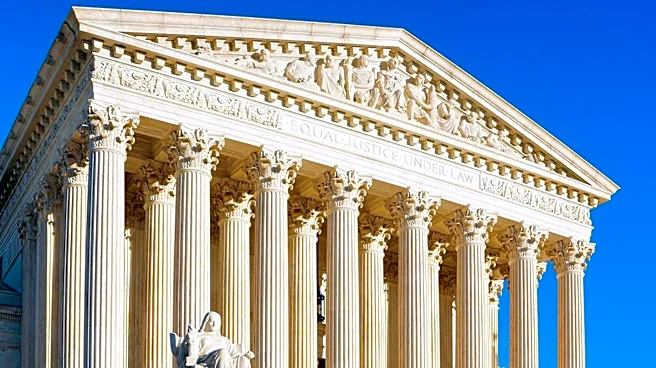
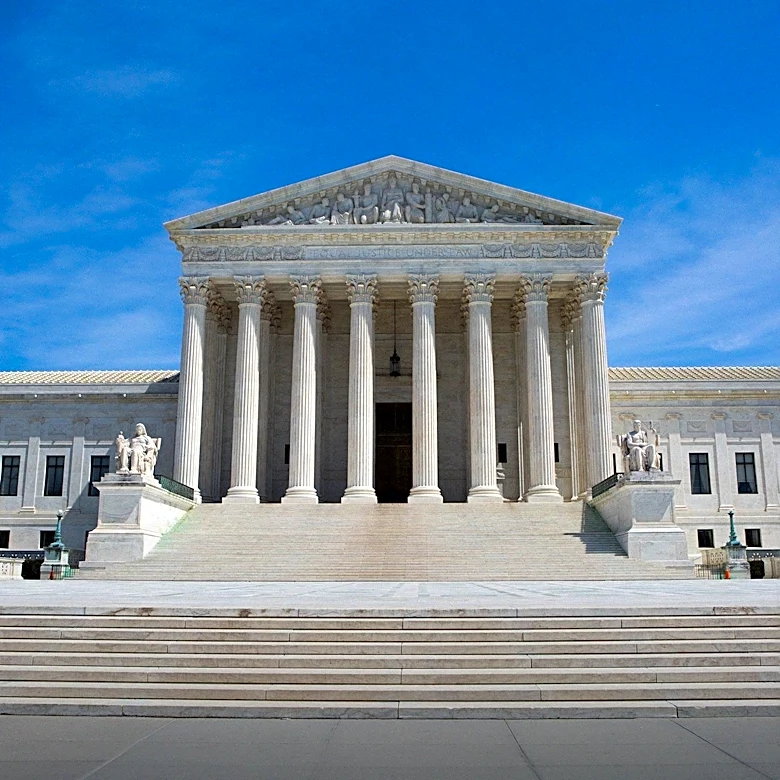
The Supreme Court has experienced a notable increase in ideologically split decisions, with the percentage of such cases rising from 9% to 23% in the recent term. This shift highlights a growing polarization within the court, particularly among the conservative
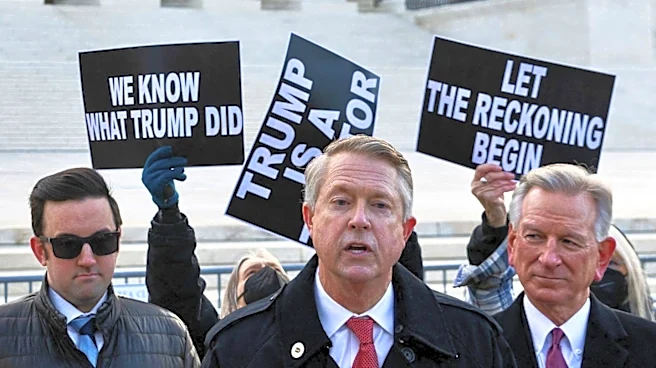
justices. While Justices Clarence Thomas and Samuel Alito consistently supported President Trump's positions, other conservative justices, including those appointed by Trump, have shown a willingness to rule against him in certain cases. Notably, Chief Justice John Roberts, along with Justices Amy Coney Barrett and Neil Gorsuch, joined liberal justices in striking down Trump's tariffs, a key component of his economic agenda. This decision, among others, has led to criticism from Trump and his supporters, particularly targeting Justice Barrett.
Why It's Important?
The division among conservative justices on the Supreme Court has significant implications for U.S. politics and the judiciary's role in shaping policy. The willingness of some justices to break from expected ideological lines suggests a more complex judicial landscape than previously perceived. This could impact future rulings on critical issues such as immigration, economic policy, and executive power. The court's decisions not only affect the immediate legal landscape but also influence public perception of judicial independence and the balance of power between branches of government. The criticism faced by justices like Barrett underscores the political pressures and expectations placed on the judiciary, which could affect their decision-making and the court's overall credibility.
What's Next?
As the Supreme Court continues to navigate politically charged cases, the dynamics among the justices will be closely watched. Future cases may further test the ideological alignments within the court, particularly as new issues arise that challenge the boundaries of executive authority and constitutional interpretation. The reactions from political leaders and the public to these decisions will likely influence the broader discourse on judicial independence and the role of the Supreme Court in American governance. Additionally, the potential for retirements or new appointments could alter the court's composition, impacting its ideological balance and decision-making in the years to come.
Beyond the Headlines
The current term's decisions reflect deeper questions about the role of the judiciary in a polarized political environment. The court's rulings on high-profile cases may set precedents that influence future legal interpretations and the scope of executive power. The ideological splits within the court also raise questions about the influence of political affiliations on judicial behavior and the potential for long-term shifts in legal doctrine. As the court continues to address contentious issues, its ability to maintain public trust and uphold the principles of justice and impartiality will be critical to its legitimacy and effectiveness.