


What's Happening?
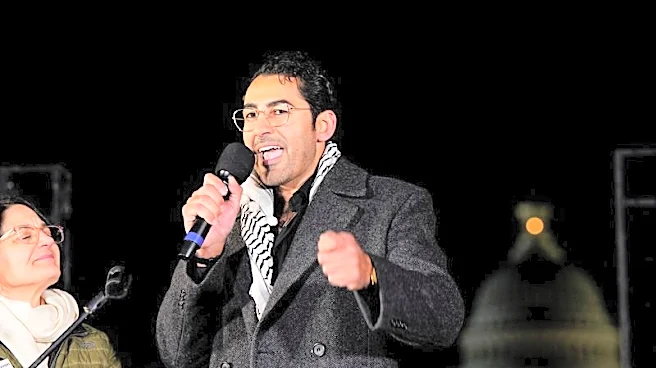
New York City Mayor Zohran Mamdani has publicly stated that the city cannot enforce an International Criminal Court (ICC) arrest warrant against Israeli Prime Minister Benjamin Netanyahu but urged the federal government to take action. The ICC issued
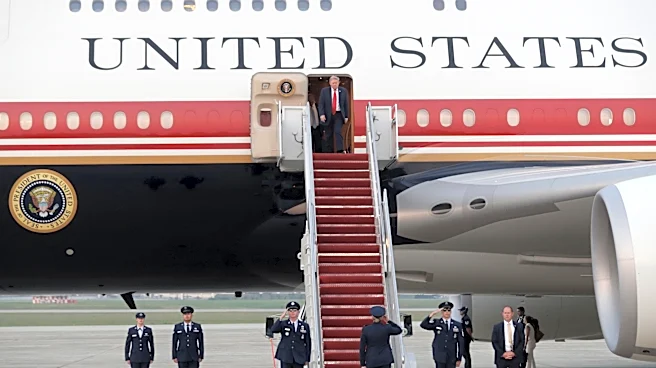
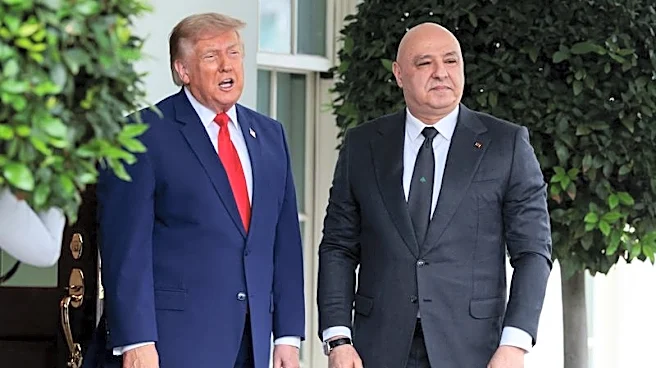
the warrant in 2024, accusing Netanyahu of crimes against humanity related to the war in Gaza. Mamdani, who had previously campaigned on the promise to arrest Netanyahu if he visited New York, acknowledged the city's legal limitations but called on the federal government to join the ICC and execute the warrant. President Trump has assured Netanyahu that he will not be arrested in the U.S., highlighting the political complexities surrounding the issue.
Why It's Important?
This situation highlights the tension between local and federal jurisdictions in international legal matters, particularly concerning high-profile figures like Netanyahu. The U.S. is not a party to the Rome Statute, which established the ICC, and does not recognize its authority, complicating the enforcement of international warrants. Mamdani's stance reflects broader debates on international justice and the role of the U.S. in supporting or opposing international legal bodies. The issue also underscores the political sensitivities involved in U.S.-Israel relations and the potential impact on diplomatic ties.
What's Next?
As the U.N. General Assembly approaches, where Netanyahu may visit New York, the situation could escalate, drawing further attention to the ICC's charges and the U.S.'s position on international justice. The federal government's response, or lack thereof, could influence international perceptions of the U.S.'s commitment to human rights and international law. Domestically, the issue may affect political discourse, particularly among those advocating for stronger adherence to international legal standards.