




What's Happening?
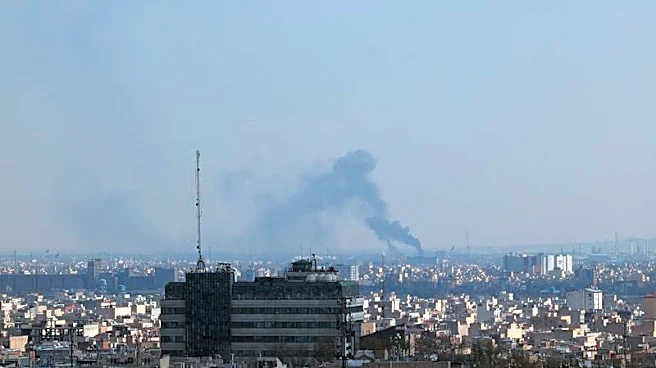
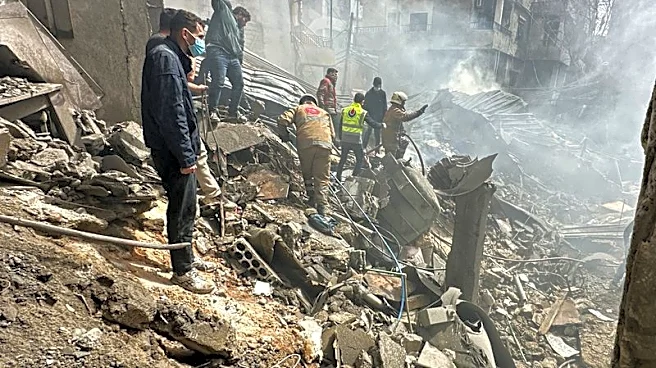
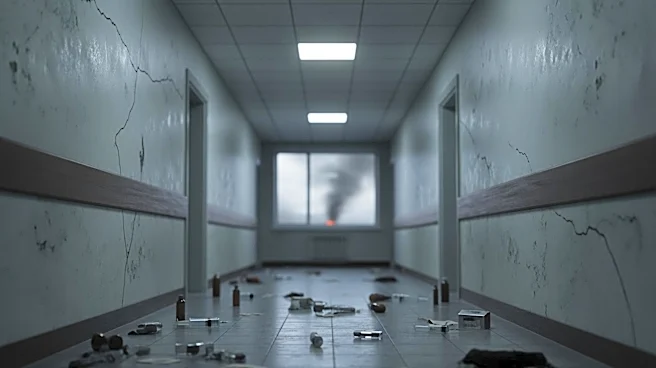
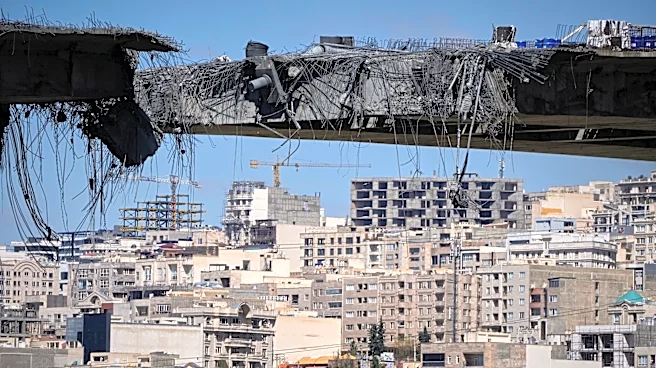
Doctors and human rights groups are raising alarms over Israel's military actions in Lebanon, which they claim are targeting the country's health care system. This situation mirrors previous Israeli operations in Gaza, where hospitals and ambulances were
struck, forcing evacuations. The Israeli military has intensified its campaign against Hezbollah, a militant group with significant influence in Lebanon. Reports indicate that Israeli airstrikes have killed numerous health professionals and forced the closure of several hospitals and clinics. The Lebanese Health Ministry has accused Israel of deliberately targeting first responders, while Israel claims Hezbollah uses medical facilities for military purposes, making them legitimate targets. However, these claims lack independent verification.
Why It's Important?
The targeting of health care facilities in Lebanon by Israeli forces has significant humanitarian implications. It exacerbates the already strained Lebanese health system, which is struggling due to economic collapse and ongoing conflict. The destruction of medical infrastructure not only endangers lives but also undermines the ability to provide essential health services to civilians caught in the crossfire. This situation could lead to increased international scrutiny and calls for accountability, potentially affecting diplomatic relations and peace efforts in the region. The conflict's impact on health care highlights the broader consequences of military actions on civilian populations.
What's Next?
As the conflict continues, the international community may increase pressure on Israel to adhere to international humanitarian laws and protect civilian infrastructure. Human rights organizations are likely to intensify their advocacy efforts, calling for investigations into alleged war crimes. The Lebanese government, along with international bodies, may seek diplomatic solutions to mitigate the humanitarian crisis. Additionally, the ongoing conflict could lead to further displacement of civilians, increasing the burden on neighboring countries and international aid organizations.
Beyond the Headlines
The targeting of health care facilities raises ethical questions about the conduct of military operations and the protection of civilian lives during conflicts. It underscores the need for stronger international mechanisms to hold accountable those who violate humanitarian laws. The situation also highlights the vulnerability of health systems in conflict zones and the importance of international support to rebuild and strengthen these systems. Long-term, this conflict could influence global discussions on the protection of health care in war zones and the responsibilities of warring parties.