





What's Happening?
France is advocating for stricter limitations on Ukraine's ability to purchase military equipment from outside the European Union using funds from the EU's €90 billion loan. This loan, approved by EU countries for 2026–2027, allocates €60 billion for military assistance
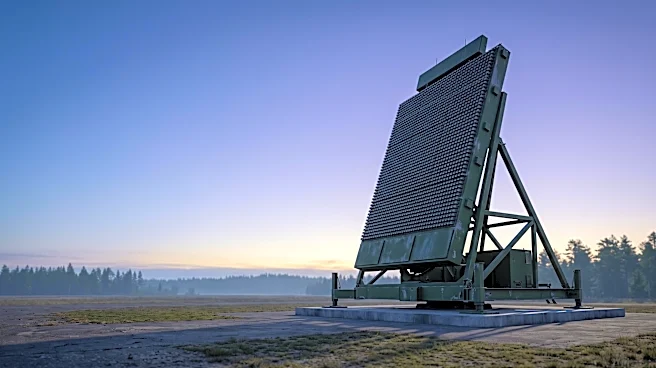
and €30 billion for economic support. Under the current terms, Ukraine can spend no more than 35% of the defense product value on purchases from non-EU and non-European Economic Area countries. However, Kyiv can request exemptions if European manufacturers cannot provide the necessary equipment in terms of quantity, timeframe, or acceptable price. So far, the European Commission has approved two such exemptions for Ukraine: one for Chinese drone components and another for U.S.-made Patriot interceptor missiles, acknowledging insufficient European production capacity in these areas. France's position is that these exemptions should be temporary, aiming to direct a larger share of EU-backed funds towards European defense manufacturers, particularly French ones.
Why It's Important?
This initiative by France highlights a growing tension within the European Union regarding the balance between immediately supplying Ukraine with critical defense needs and fostering the growth of the European defense industry. For the U.S., this could mean a potential reduction in future sales of military equipment to Ukraine, as France pushes for a 'buy European' policy. The U.S. has been a significant supplier of advanced defense systems, such as the Patriot missiles, which Ukraine urgently requires. If France's stance prevails, it could impact U.S. defense contractors and potentially shift the dynamics of military aid to Ukraine, prioritizing European production over immediate, diverse sourcing. This also underscores the EU's strategic autonomy ambitions, aiming to reduce reliance on external suppliers for defense, which could have long-term implications for transatlantic defense cooperation and market share.
What's Next?
The exemptions for non-EU purchases must be renewed each time Ukraine requests new funding. This mechanism provides an opportunity for the European Commission to reassess the necessity of these exemptions. If European manufacturers develop the capacity to supply equivalent products in the required quantities, at competitive prices, and within necessary timeframes, the Commission may refuse to extend the exemptions. This ongoing review process means that the flexibility Ukraine currently enjoys in sourcing military equipment could diminish over time. Several Northern and Eastern European countries, including Germany, Poland, and the Baltic states, have expressed opposition to such restrictions, advocating for maximum flexibility for Ukraine in its procurement. This divergence of opinion within the EU suggests that discussions on this policy will continue, potentially leading to further negotiations and adjustments to the loan's terms.
Beyond the Headlines
The French push to limit Ukraine's non-EU defense purchases reflects a broader strategic objective within the EU to strengthen its own defense industrial base and achieve greater strategic autonomy. This move is not solely about supporting Ukraine but also about leveraging the current conflict to stimulate European defense manufacturing and reduce dependence on external powers, including the U.S. While seemingly a pragmatic economic decision, it carries significant geopolitical implications. It could lead to a more integrated and self-sufficient European defense sector, but it also risks creating friction with allies like the U.S. and potentially delaying critical supplies to Ukraine if European production cannot meet immediate demands. The debate also touches upon the ethical dimension of aid, questioning whether aid should primarily serve the recipient's immediate needs or the donor's long-term industrial and strategic goals.