

What's Happening?
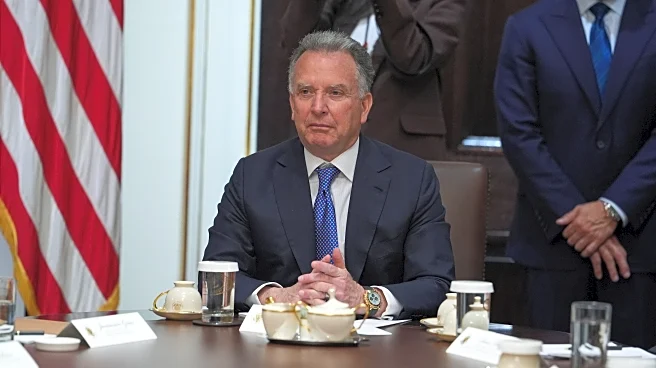
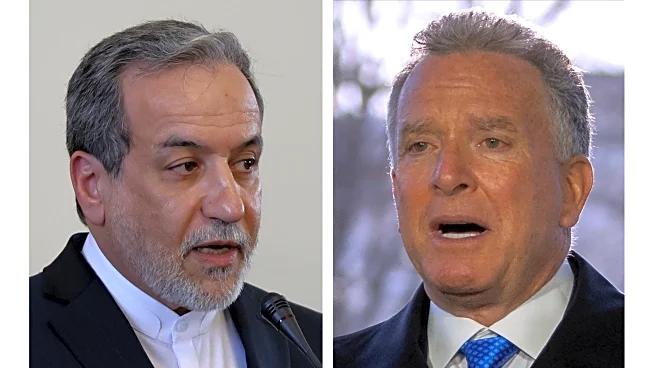
The United States and Iran have managed to salvage nuclear talks that were on the verge of collapse by agreeing to relocate the discussions from Turkey to Oman. This decision came after Iran's request to change the venue was initially rejected by the US,
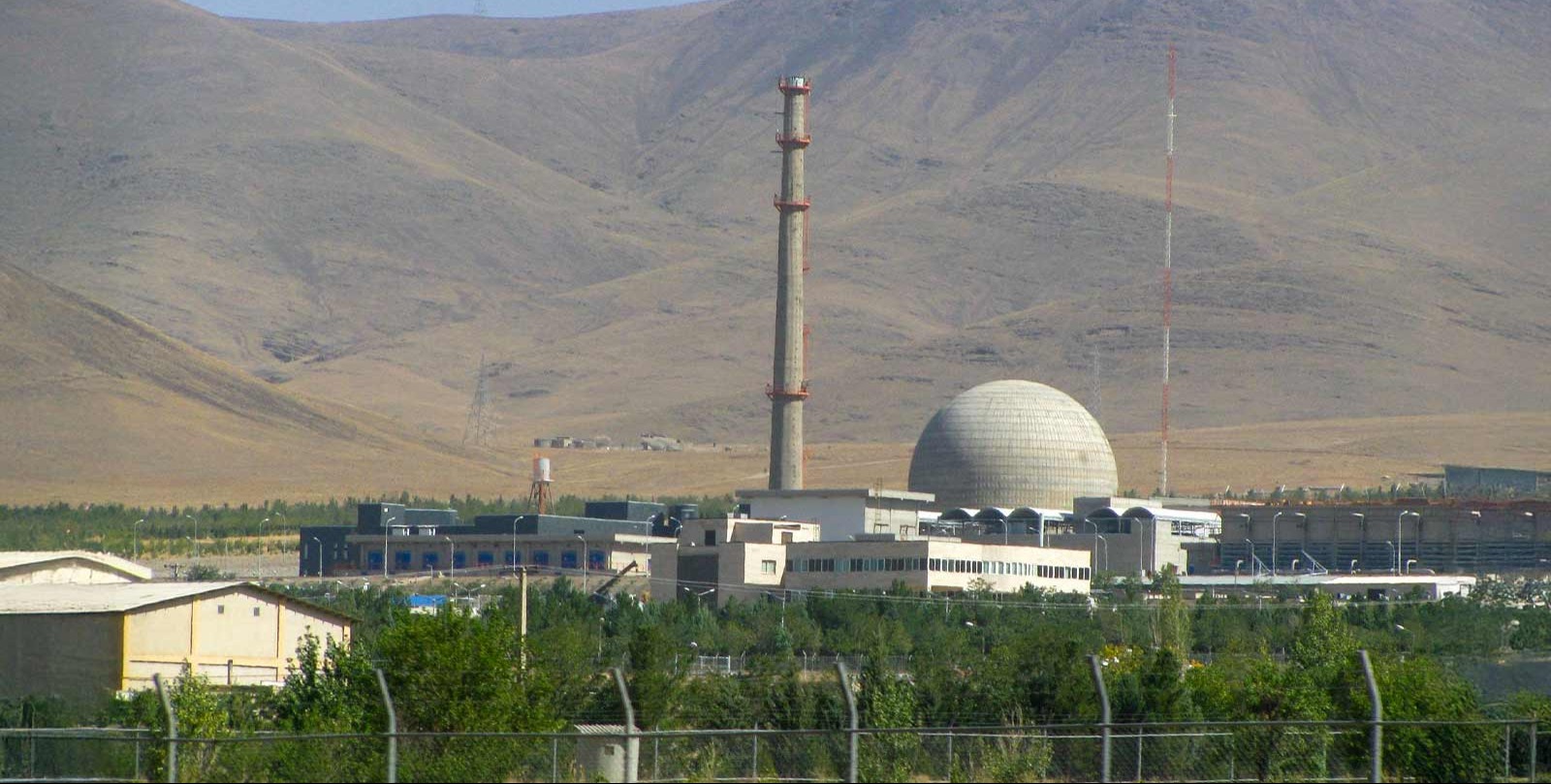
leading to a potential breakdown in negotiations. The talks, scheduled for Friday, are seen as a critical opportunity for Iran to avoid a US military strike against its leadership and nuclear program. The US had insisted that the discussions also address Iran's ballistic missile program, which Iran had previously ruled out. The talks will proceed amid heightened tensions and a significant US military presence in the region.
Why It's Important?
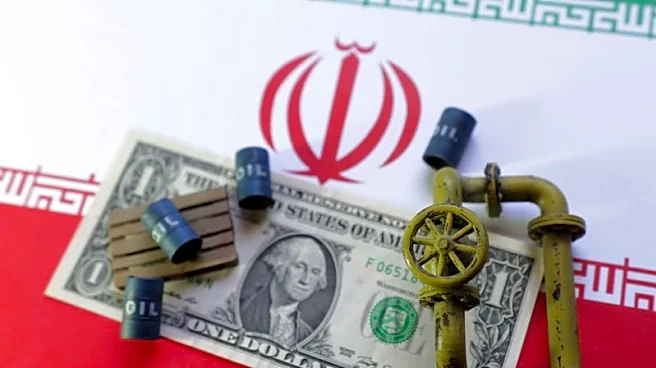
The resumption of talks between the US and Iran is significant as it represents a last-ditch effort to address longstanding issues surrounding Iran's nuclear ambitions and regional security concerns. Successful negotiations could lead to de-escalation of military tensions and potentially avert conflict in the Middle East. The outcome of these talks could have far-reaching implications for international relations and stability in the region, affecting global oil markets and geopolitical alliances. The involvement of Arab states in persuading the US to continue negotiations highlights the broader regional interest in resolving the nuclear issue peacefully.
What's Next?
The upcoming talks in Oman will focus on Iran's nuclear program, with the US pushing for discussions on ballistic missiles and regional security issues. The outcome of these talks could influence future diplomatic engagements and the potential lifting of sanctions on Iran. The international community will be closely monitoring the talks, as their success or failure could impact global security dynamics and economic conditions, particularly in the energy sector.