








What's Happening?
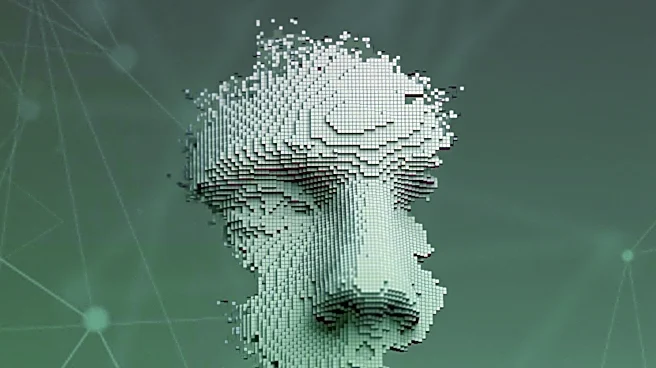
Deepfakes, or AI-generated manipulated audiovisual content, are becoming a significant concern in international arbitration. These technologies can create realistic but false representations of people, statements, or events, complicating the authenticity
and reliability of evidence in legal proceedings. The integration of AI in arbitration has exposed its limitations, such as producing misleading information. The issue is particularly pressing in arbitration, where decisions often rely heavily on documentary, audio, and video evidence. The potential for deepfakes to undermine the integrity of evidence poses a procedural risk, as tribunals must now navigate the challenges of verifying the authenticity of such materials.
Why It's Important?
The rise of deepfakes in legal contexts threatens the foundational trust in audiovisual evidence, which is crucial for fair arbitration processes. As deepfakes become more sophisticated, they could be used to manipulate evidence, leading to unjust outcomes. This development necessitates new protocols and technologies to verify evidence authenticity, impacting how legal systems worldwide handle digital evidence. The issue also raises broader concerns about privacy, consent, and the ethical use of AI, prompting discussions on regulatory measures to address these challenges.
Beyond the Headlines
The deepfake phenomenon highlights the need for legal frameworks to adapt to technological advancements. It underscores the importance of developing robust verification tools and procedures to maintain evidentiary integrity. The situation also calls for increased awareness and training for legal professionals to recognize and address potential deepfake evidence. As AI technology continues to evolve, the legal community must balance innovation with safeguards to protect the integrity of judicial processes.