
What's Happening?
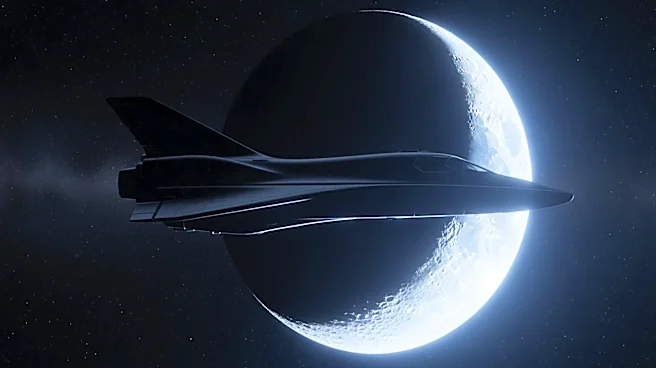
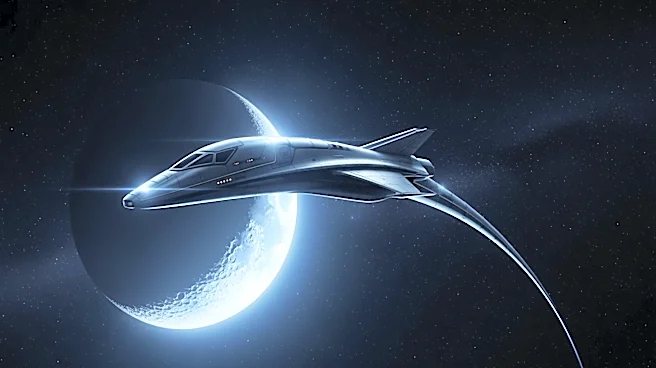
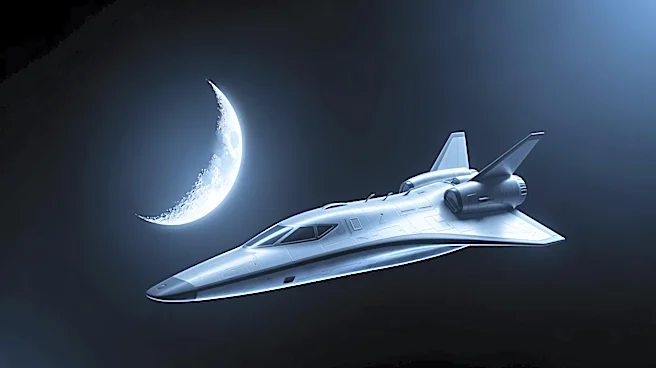
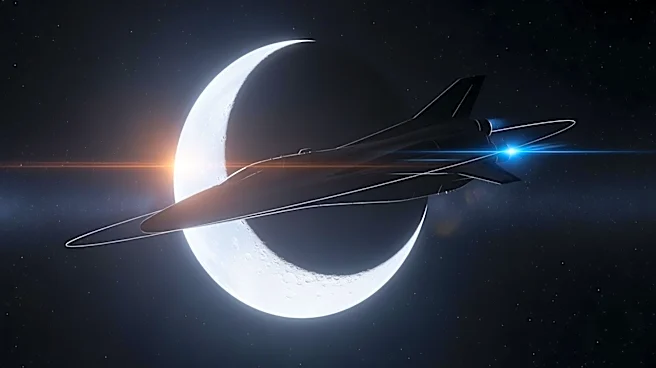
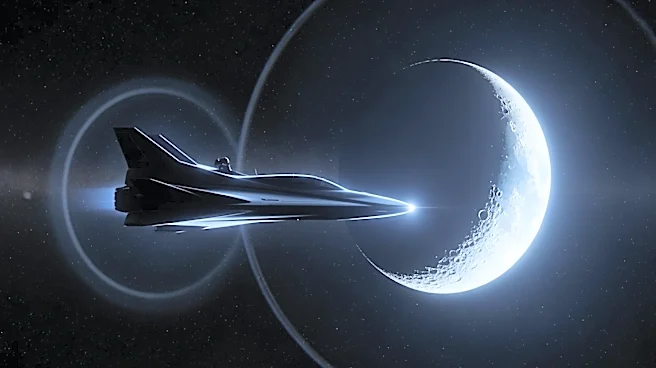
NASA's Artemis II mission has reached a historic milestone as it carries a crew around the far side of the Moon, marking the furthest distance humans have traveled from Earth. This mission surpasses the previous
record set by Apollo 13 in 1970. The crew aboard Artemis II is witnessing lunar landscapes never before seen by human eyes, offering a new perspective on Earth's fragility and beauty. This mission is part of NASA's ongoing efforts to explore space and understand our place in the universe. The Artemis II mission is a significant step in human space exploration, highlighting the human instinct to explore and understand the cosmos.
Why It's Important?
The Artemis II mission is crucial for advancing human space exploration and understanding the universe. By traveling further than ever before, the mission not only sets a new record but also provides valuable insights into the Moon's surface and the broader cosmos. This achievement underscores the importance of space exploration in expanding human knowledge and technological capabilities. It also serves as a reminder of Earth's fragility and the need to protect our planet. The mission's success could inspire future generations to pursue careers in science and technology, driving innovation and economic growth.
What's Next?
Following the success of Artemis II, NASA plans to continue its Artemis program with future missions aimed at establishing a sustainable human presence on the Moon. These missions will focus on scientific research, resource utilization, and preparing for human exploration of Mars. The data and experience gained from Artemis II will inform the planning and execution of these future missions. Additionally, international collaboration and partnerships with private companies will play a crucial role in advancing space exploration efforts.
Beyond the Headlines
The Artemis II mission highlights the ethical and philosophical implications of space exploration. As humans venture further into space, questions about the stewardship of celestial bodies and the potential impact on extraterrestrial environments arise. The mission also prompts reflection on humanity's role in the universe and the interconnectedness of all life on Earth. These considerations may influence future space policies and international agreements on space exploration and resource utilization.