




What's Happening?
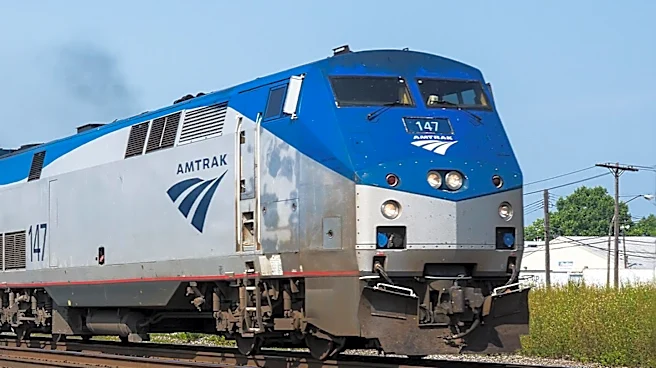
Amtrak operates two primary train services, the Acela Express and Northeast Regional, connecting Washington D.C. and New York City along the heavily trafficked Northeast Corridor (NEC). The Acela Express is the premium option, reaching speeds of up to 150
mph and completing the journey in approximately 3 hours and 20 minutes. It offers First Class and Business Class accommodations, including meal service and quiet cars, with Business Class tickets starting around $200 and First Class tickets exceeding $500. The Northeast Regional provides a more economical alternative, with tickets starting around $100, operating at speeds up to 125 mph, and taking about 4 hours for the trip. Both services offer comfortable seating, onboard amenities like Wi-Fi and power outlets, and frequent departures throughout the day. Amtrak also runs the Pennsylvanian and Keystone trains on the NEC, offering more leisurely travel with scenic stops.
Why It's Important?
The Amtrak Acela Express and Northeast Regional services are crucial for intercity travel on the East Coast, providing a vital link between two major U.S. economic and political hubs. These rail services offer a competitive alternative to driving and flying, contributing to reduced road congestion and lower carbon emissions per passenger mile. The Acela's speed and amenities cater to business travelers and those seeking premium service, supporting economic activity between Washington D.C. and New York City. The Northeast Regional's affordability makes rail travel accessible to a broader demographic, facilitating tourism and personal travel. The efficiency and reliability of these train services are integral to the regional transportation network, impacting commuters, businesses, and the overall connectivity of the Northeast corridor.
What's Next?
Amtrak will likely continue to focus on maintaining and potentially upgrading its infrastructure along the Northeast Corridor to support the high demand for these services. Future developments could include further enhancements to onboard amenities, schedule adjustments to optimize passenger flow, and potential investments in newer train sets to improve speed and comfort. As urban populations grow and environmental concerns increase, the demand for efficient rail travel is expected to remain strong, prompting Amtrak to explore ways to expand capacity and improve service quality. Passengers can anticipate continued efforts to offer competitive pricing and booking flexibility, especially for advance purchases, to attract and retain ridership on these key routes.
Beyond the Headlines
The success and continued operation of the Acela Express and Northeast Regional highlight the enduring importance of passenger rail in the U.S., particularly in densely populated corridors. These services represent a model for sustainable transportation, offering a lower environmental footprint compared to other modes of travel. The historical development of the NEC, with Amtrak taking over lines from commuter railroads, underscores the complex evolution of American rail infrastructure. The scenic routes offered by these trains also contribute to regional tourism, allowing passengers to experience diverse landscapes and historic sites. The ongoing investment in and utilization of these rail lines reflect a broader national conversation about infrastructure development, urban planning, and the future of intercity mobility in the United States.