






What's Happening?
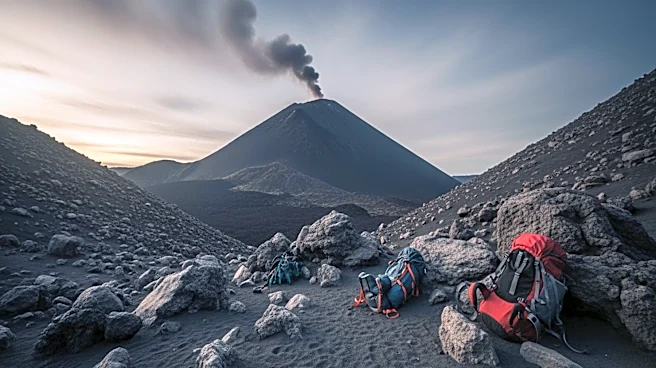
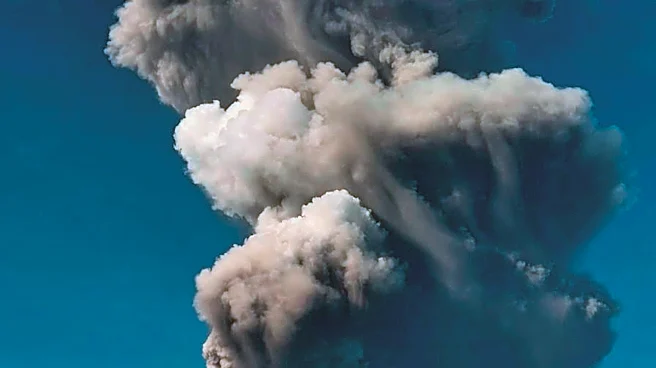
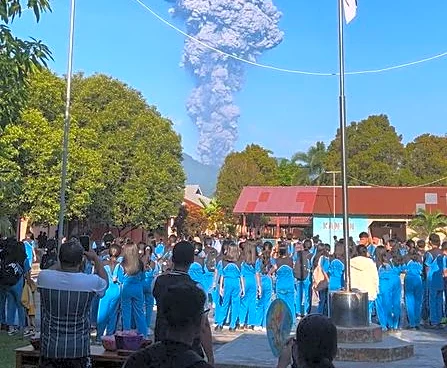
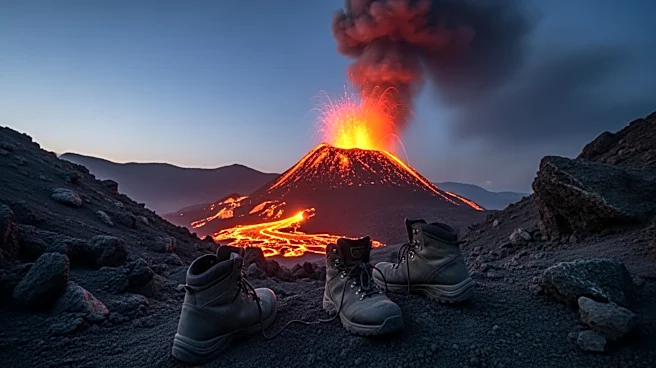
An explosive eruption of Mount Dukono on the Indonesian island of Halmahera resulted in the deaths of three hikers, according to authorities. The eruption occurred at 7:41 a.m. local time, sending a thick ash column approximately 10 kilometers into the sky.
Despite safety restrictions due to the volcano's high alert status, about 20 climbers attempted to ascend the 1,355-meter volcano. The eruption was recorded on seismographs for over 16 minutes. Rescue teams were dispatched after receiving an emergency signal, but three men—two Singaporeans and one Indonesian—died at the scene. As of Friday afternoon, 14 climbers, including seven foreign nationals, were safely evacuated, with five reported injuries. The bodies of the deceased have not been recovered due to ongoing eruptions and hazardous conditions.
Why It's Important?
The incident underscores the dangers of ignoring safety warnings in areas prone to natural disasters. Mount Dukono is one of Indonesia's most active volcanoes, with continuous eruptions since 1933. The tragedy highlights the risks faced by thrill-seekers and the challenges for authorities in enforcing safety measures. The eruption also poses potential health risks and disruptions to nearby communities, as ashfall could affect settlements and transportation. This event serves as a reminder of the importance of adhering to safety advisories, especially in regions with high seismic and volcanic activity.
What's Next?
Authorities continue to monitor Mount Dukono, which remains at the second-highest alert level. They have warned of possible secondary hazards, such as volcanic mudflows, particularly during heavy rain. Officials urge residents, tourists, and climbers to remain calm, follow official guidance, and avoid restricted areas. The ongoing volcanic activity necessitates continued vigilance and preparedness to mitigate further risks to human life and property.
Beyond the Headlines
The incident raises questions about the motivations behind risky behaviors, such as the desire to create online content, which can lead individuals to ignore safety warnings. It also highlights the need for effective communication and enforcement of safety regulations in tourist areas. The tragedy may prompt a reevaluation of how authorities manage access to hazardous sites and engage with the public to prevent similar incidents in the future.