
What's Happening?
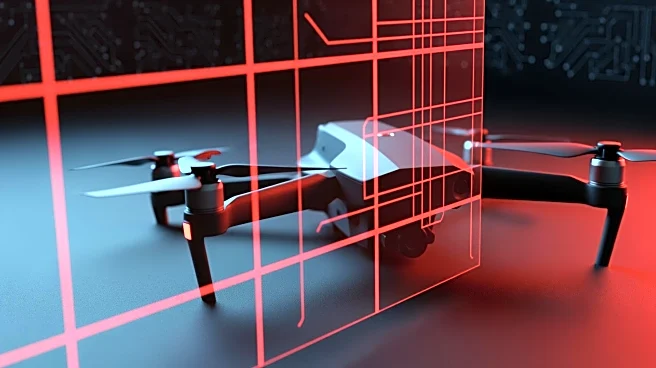
The U.S. Federal Communications Commission (FCC) has added DJI, Autel, and other foreign-made drones to its 'Covered List,' effectively barring approvals for new drone models and components for import
or sale in the United States. This decision is part of a broader effort by Washington to address national security concerns associated with foreign drones, particularly those from China. The FCC's move follows a White House-convened inter-agency review that identified risks such as unauthorized surveillance and data exfiltration. While existing models previously authorized by the FCC are not affected, the decision prevents these companies from introducing new models in the U.S. market. DJI, a major player in the drone industry, expressed disappointment, noting the lack of transparency in the decision-making process. The action aligns with President Trump's executive order aimed at reducing U.S. reliance on Chinese drone technology.
Why It's Important?
The FCC's decision to restrict new foreign drone models underscores ongoing tensions between the U.S. and China, particularly in the realm of technology and national security. By limiting the introduction of new drones, the U.S. aims to mitigate potential security threats posed by foreign surveillance capabilities. This move could significantly impact the commercial drone market, where DJI holds a substantial share. U.S. companies may benefit from reduced competition, potentially leading to increased domestic production and innovation. However, state and local agencies relying on cost-effective foreign drones for emergency response may face challenges in maintaining their programs. The decision also reflects broader geopolitical dynamics, as the U.S. seeks to safeguard its technological infrastructure from foreign influence.
What's Next?
The FCC's decision may prompt further legal challenges from affected companies, as seen with Hikvision's recent lawsuit. Additionally, the Pentagon may conduct future assessments to determine if specific drone models can be exempted from restrictions. The U.S. government is likely to continue its scrutiny of foreign technology imports, potentially expanding restrictions to other sectors. Stakeholders, including lawmakers and industry leaders, may advocate for clearer guidelines and transparency in the decision-making process. The upcoming Olympics and World Cup could further influence policy decisions, as concerns about drone misuse during major events persist.