



What's Happening?
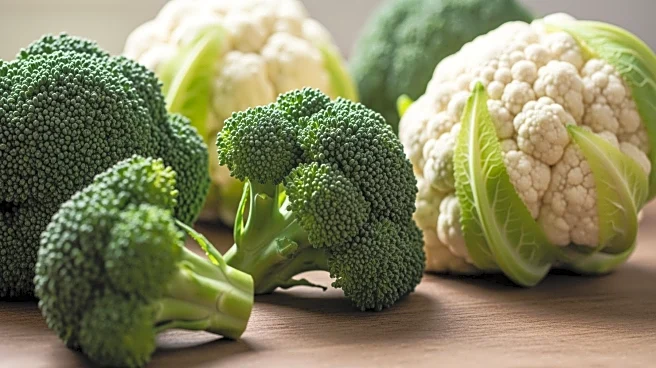
A recent study published in BMC Gastroenterology has found that consuming cruciferous vegetables can lower the risk of colon cancer by nearly 20%. The research involved a meta-analysis of data from 17 studies with 97,595 participants who reported their
intake of vegetables like broccoli, cauliflower, cabbage, kale, and Brussels sprouts. The study concluded that consuming 40 to 60 grams of these vegetables daily, equivalent to about half a cup of broccoli or two to three cups of raw kale, can significantly reduce the risk of developing colon cancer. Experts attribute this protective effect to the presence of glucosinolates in these vegetables, which break down into bioactive compounds known as isothiocyanates (ITCs). These compounds are believed to detoxify the body of carcinogens, promote healthy cell turnover, and reduce inflammation.
Why It's Important?
The findings underscore the critical role of diet in cancer prevention, particularly the intake of vegetables. Colon cancer is one of the most treatable forms of cancer if detected early, and dietary choices can play a significant role in reducing risk. The study highlights the importance of a plant-forward, fiber-rich diet, which not only aids in cancer prevention but also supports overall gut health. The presence of ITCs in cruciferous vegetables is particularly noteworthy for their potential to destroy or slow the growth of cancer cells. This research could influence dietary guidelines and public health recommendations, encouraging increased consumption of these vegetables to improve health outcomes.
What's Next?
As the study suggests, consistency in consuming cruciferous vegetables is key to reaping their protective benefits. Public health campaigns may focus on educating the public about incorporating these vegetables into daily meals. Additionally, further research could explore the specific mechanisms by which ITCs exert their cancer-fighting effects, potentially leading to new dietary supplements or treatments. Healthcare providers might also emphasize the importance of regular screenings for colon cancer, alongside dietary changes, to maximize prevention efforts.
Beyond the Headlines
The study also touches on the broader implications of dietary habits on health. While cruciferous vegetables are beneficial, they can cause digestive discomfort in some individuals. Gradual introduction and adequate hydration can mitigate these effects. The research also aligns with the growing trend of personalized nutrition, where dietary recommendations are tailored to individual health needs and genetic profiles. This approach could enhance the effectiveness of dietary interventions in cancer prevention and overall health maintenance.