







What's Happening?
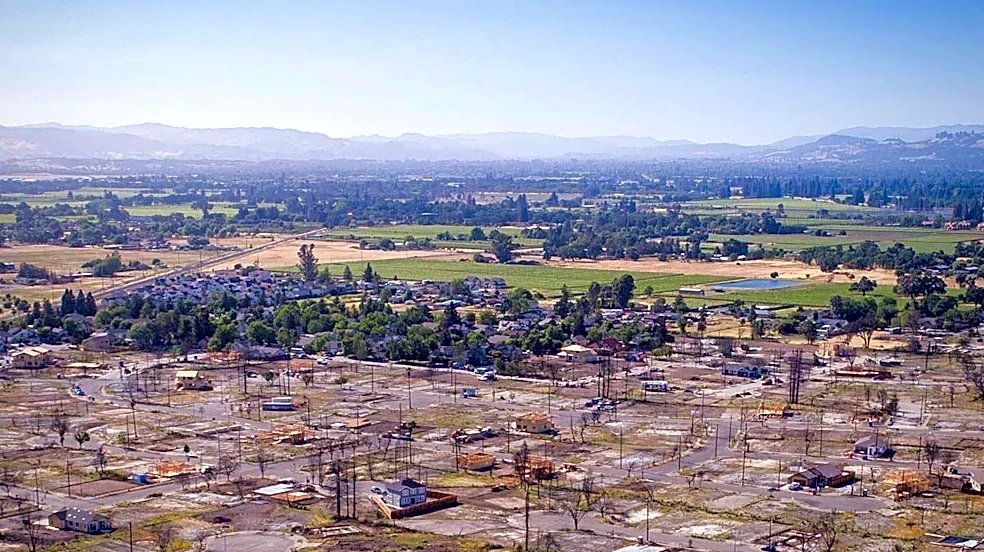
Three years after devastating fires, Spokane County fire victims are still waiting for $44 million in recovery funds. The delay is primarily due to strict federal regulations that require the county to document and prove every expense before reimbursement,
a process that differs significantly from typical disaster relief where funds might be more readily available. The county has announced approval to remove hazard trees, a critical issue for residents, and plans to develop a strategy with contractors. The Spokane Long Term Recovery Group is also working on a reimbursement and debris removal plan to submit for county approval. Currently, the county is managing 11 active cases and has completed 10 assessments of burned properties, indicating a slow but ongoing process to address the aftermath of the fires.
Why It's Important?
The prolonged delay in distributing $44 million in recovery funds highlights significant challenges in disaster relief mechanisms, particularly concerning federal reimbursement processes. For Spokane County residents, this means continued hardship and uncertainty, impacting their ability to rebuild homes and lives. The presence of unremoved hazard trees, as described by one resident who experienced vehicle damage, poses ongoing safety risks and financial burdens. This situation underscores the need for more efficient and accessible disaster aid, as the current system creates a bottleneck that leaves victims in limbo. The economic and social recovery of the affected communities is severely hampered, potentially leading to long-term displacement and financial instability for many families.
What's Next?
Spokane County is moving forward with plans to address the hazard tree issue, with a strategy to be developed with contractors following recent approval. The Spokane Long Term Recovery Group will submit a reimbursement and debris removal plan to the county for approval in the coming weeks. These steps are crucial for accelerating the recovery process and providing much-needed relief to fire victims. The county will continue to work in partnership with the Spokane Long Term Recovery Group to navigate the complex federal regulations and distribute the funds. The progress on the 11 active cases and 10 completed property assessments suggests a gradual, albeit slow, movement towards resolution for affected individuals.
Beyond the Headlines
The situation in Spokane County reveals a deeper systemic issue within federal disaster relief: the bureaucratic hurdles and stringent documentation requirements that can inadvertently prolong suffering for victims. While accountability for public funds is essential, the current process appears to prioritize administrative rigor over the urgent needs of those affected by disaster. This could lead to a reevaluation of how federal disaster aid is structured, potentially advocating for more flexible or upfront funding mechanisms in future legislation. The psychological toll on victims, who face not only the loss of their homes but also years of financial uncertainty and administrative battles, is immense and often overlooked in policy discussions.