





What's Happening?
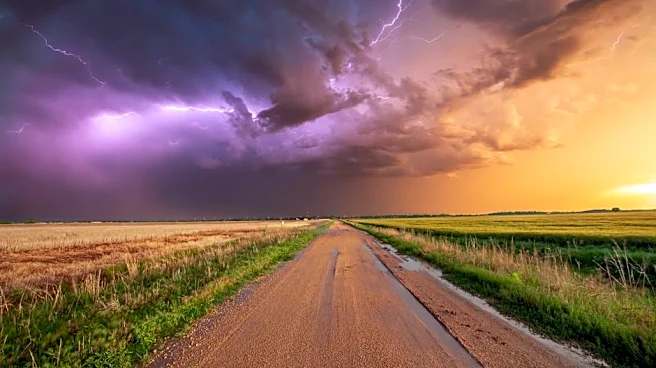
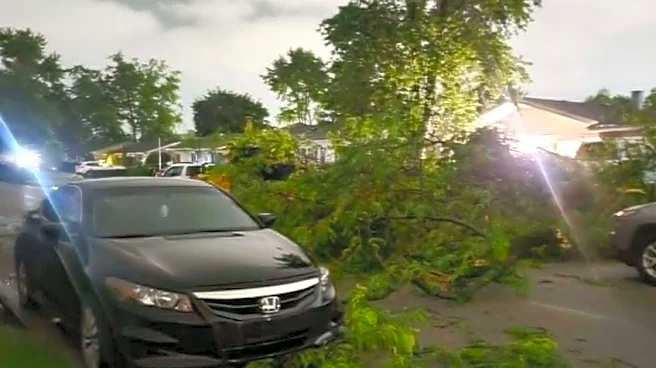
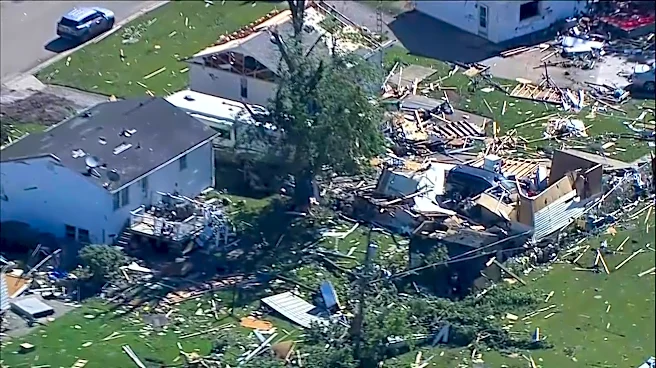
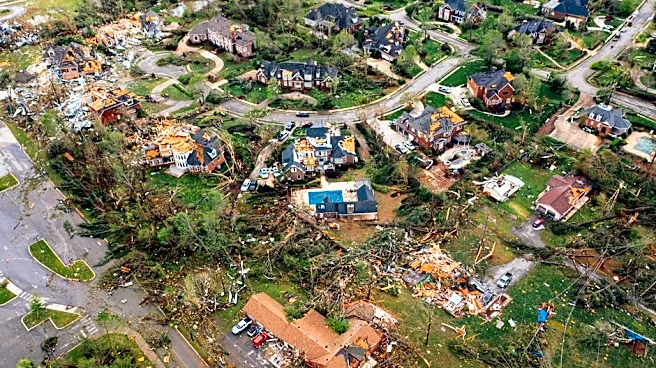
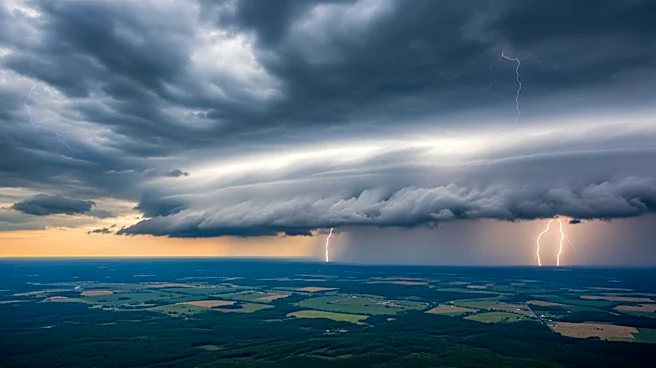
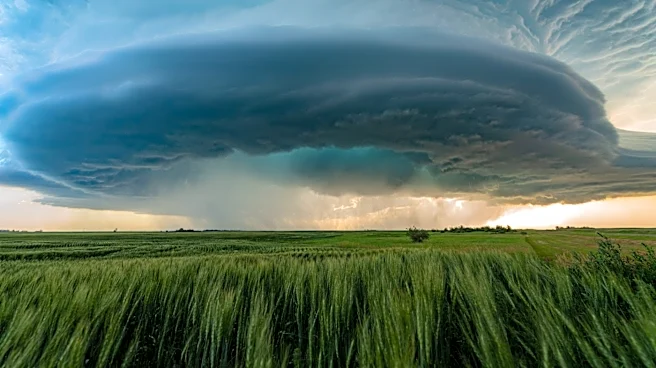
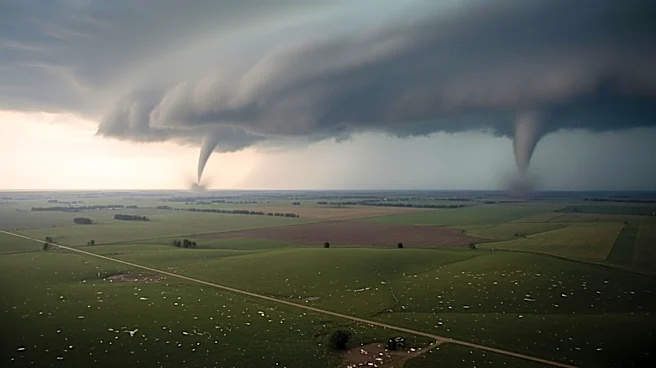
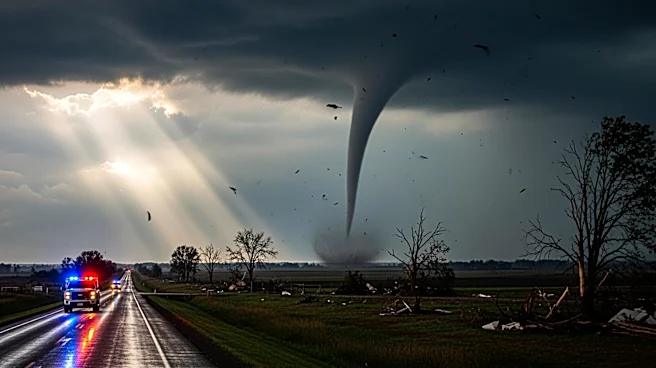
The National Weather Service has confirmed that at least 29 tornadoes, along with a derecho, struck Illinois and northwest Indiana last week. This severe weather event included winds reaching up to 80 mph, causing significant damage across the region.
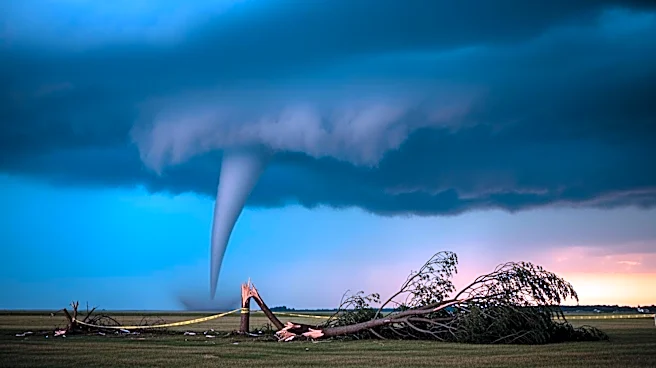
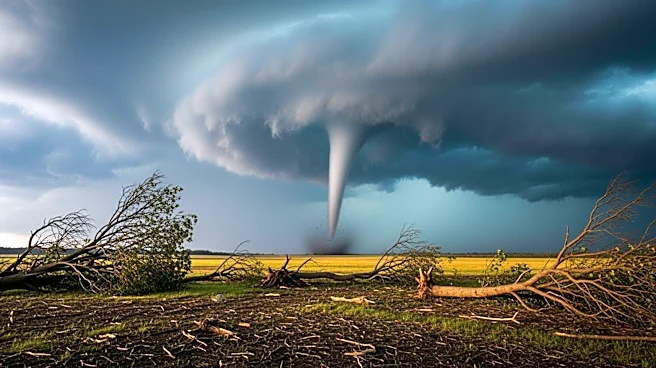
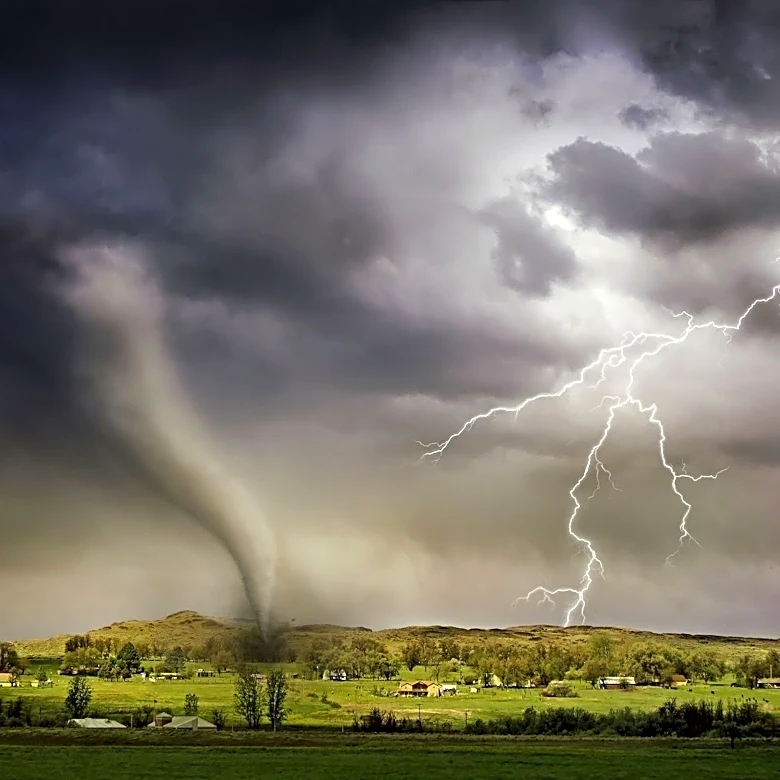
The storms resulted in 17 tornadoes in northern Illinois and northwest Indiana, and nine in central Illinois. Notably, three EF-3 tornadoes, with wind speeds between 136 to 165 mph, hit areas including Streator, Washburn, and parts of Porter County, Indiana. Despite the intensity, no major injuries have been reported. This year, the region has already experienced 44 tornadoes, marking it as the third most active year since 1950. The increase in tornado frequency and intensity is attributed to climate change, which is causing more humid conditions conducive to severe thunderstorms.
Why It's Important?
The confirmation of these tornadoes and the derecho underscores the growing impact of climate change on weather patterns in the Midwest. The increasing frequency and intensity of such events pose significant challenges for local communities, infrastructure, and emergency services. The financial implications are substantial, with severe weather events costing billions in damages. Insurance companies, like State Farm, have reported unsustainable losses due to the rising number of extreme weather incidents. This trend highlights the urgent need for enhanced disaster preparedness and climate adaptation strategies to mitigate future risks. The situation also raises questions about federal disaster relief policies and the adequacy of current measures to support affected communities.
What's Next?
In the coming days, the National Weather Service will continue damage assessments in affected areas, including Cook County and parts of Indiana. Local authorities are urging residents to report damages to aid in disaster recovery efforts. The weather service has forecasted potential severe storms and flooding in the Chicago area, emphasizing the need for ongoing vigilance. As communities recover, there will likely be increased discussions on improving infrastructure resilience and updating emergency response plans to better handle such extreme weather events in the future.