




What's Happening?
Senator Tim Scott (R-S.C.) has co-signed a bipartisan letter led by Senators Ted Budd (R-N.C.) and Tim Kaine (D-Va.) to President Trump. The letter encourages the administration to continue raising concerns about the persecution of religious groups in China
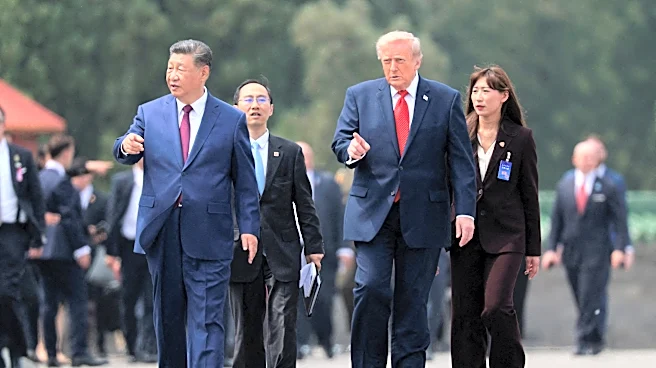
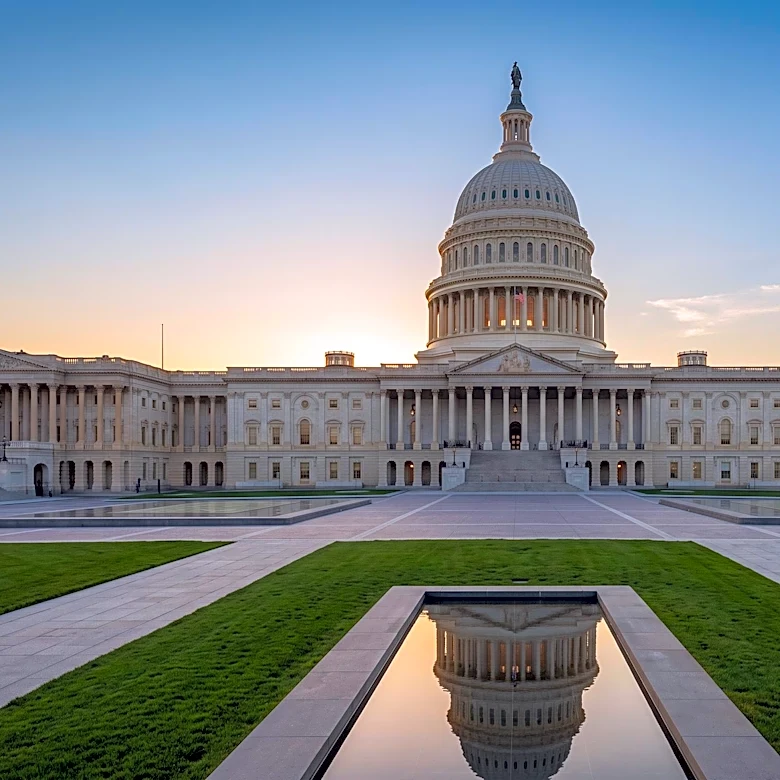
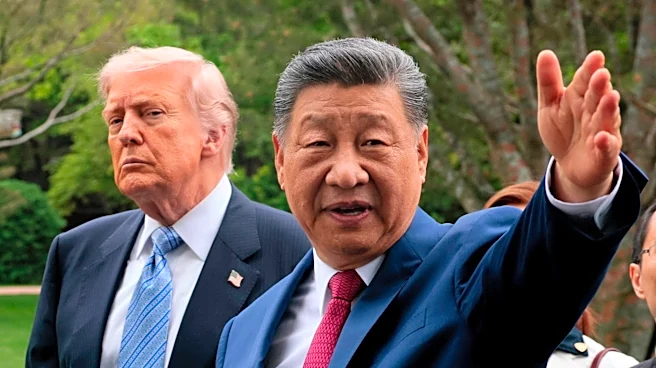
during the upcoming U.S.-China summit in Washington, D.C. Specifically, the senators are urging President Trump to advocate for the release of detained pastors and religious minorities, including Pastor Gao Quanfu and his wife Pang Yu, Pastor Tang Bingyi of Light of Zion Church, and eight members of Zion Church. This initiative follows President Trump's successful intervention earlier this year, which secured the release of Pastor Ezra Jin after discussions with President Xi Jinping.
Why It's Important?
This bipartisan effort underscores the U.S. commitment to promoting international religious freedom and highlights the ongoing human rights concerns regarding religious persecution in China. By specifically naming detained individuals and groups, the senators are attempting to bring direct attention to these cases, which could pressure the Chinese government to address its policies. The involvement of senators from both major parties signals a unified front on this issue, potentially strengthening the U.S. negotiating position. For the affected religious communities, such advocacy offers a glimmer of hope for their release and improved conditions. The outcome of these discussions could influence future U.S.-China relations, particularly concerning human rights and diplomatic engagement.
What's Next?
During the upcoming U.S.-China summit in Washington, D.C., President Trump is expected to engage with Chinese officials, where the issue of religious freedom and the specific cases mentioned in the letter will likely be raised. The senators' letter serves as a direct appeal to President Trump to prioritize these concerns in his discussions. The international community will be watching for any developments or commitments from the Chinese government regarding the release of the detained individuals and a broader improvement in religious freedom. Future U.S. foreign policy and diplomatic strategies concerning China may be shaped by the progress made on these human rights issues.
Beyond the Headlines
The bipartisan nature of this letter suggests a shared understanding across the political spectrum regarding the importance of religious freedom as a fundamental human right, even amidst broader geopolitical and economic considerations with China. This initiative also highlights the role of individual lawmakers in shaping foreign policy and advocating for specific human rights causes. The continued persecution of religious minorities in China, including Tibetan Buddhists, Christians, Uyghur Muslims, and Falun Gong practitioners, represents a significant challenge to international human rights norms. The U.S. stance on these issues can influence other nations and potentially contribute to a more coordinated international response to human rights abuses.