









What's Happening?
The Gelman Collection, a significant assembly of 160 works of 20th-century Mexican art, including 18 by Frida Kahlo, is at the center of a legal dispute in Mexico. A citizen collective named Defence of the Gelman Collection has initiated legal proceedings
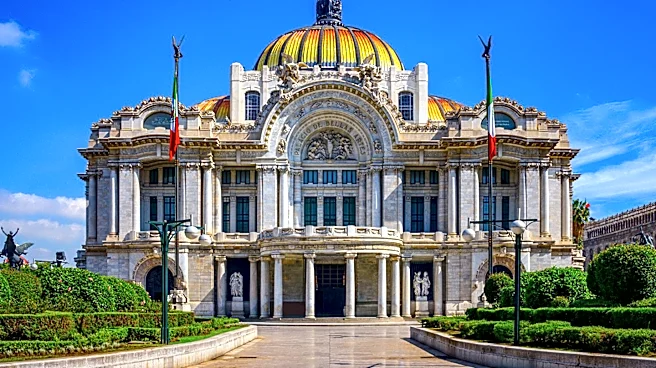
against Mexican cultural authorities to stop a long-term agreement that allows the collection's works to be loaned internationally. The collective argues that this agreement, which involves Fundación Banco Santander and the Zambrano family, violates Mexican heritage laws that protect these works. The collection includes pieces by Diego Rivera, José Clemente Orozco, and María Izquierdo, which are considered artistic monuments. The controversy intensified after the collection was displayed in Mexico City for the first time in 18 years and is set to travel to Spain. The collective claims the agreement serves private financial interests and lacks legal export permits.
Why It's Important?
This legal battle highlights the tension between cultural heritage protection and private ownership rights. The outcome could set a precedent for how Mexico manages its cultural assets, particularly those of national significance like Kahlo's works. The case underscores the challenges of balancing cultural preservation with international art market dynamics. If the agreement is upheld, it may encourage similar arrangements, potentially leading to more Mexican art being exhibited abroad, which could impact the local cultural landscape and economy. Conversely, if the agreement is annulled, it could reinforce stricter controls over the export of cultural treasures, affecting private collectors and international exhibitions.
What's Next?
The legal proceedings are ongoing, with the Defence of the Gelman Collection seeking to annul the agreement. The Mexican Supreme Court is also examining the legality of a 1984 decree that restricts the permanent export of Kahlo's works. This decision could influence the future of private Kahlo holdings and their market value. The court's ruling will weigh cultural rights against property rights, potentially affecting how Mexican art is managed and valued globally. The outcome may also prompt legislative or policy changes regarding the export and exhibition of cultural heritage.
Beyond the Headlines
The case reflects broader issues of cultural identity and national pride, as Mexican citizens rally to protect their artistic heritage. It raises questions about the role of private entities in managing public cultural assets and the ethical implications of using cultural treasures as financial collateral. The situation also highlights the global demand for Mexican art and the complexities of cultural diplomacy in an interconnected world.