



What's Happening?
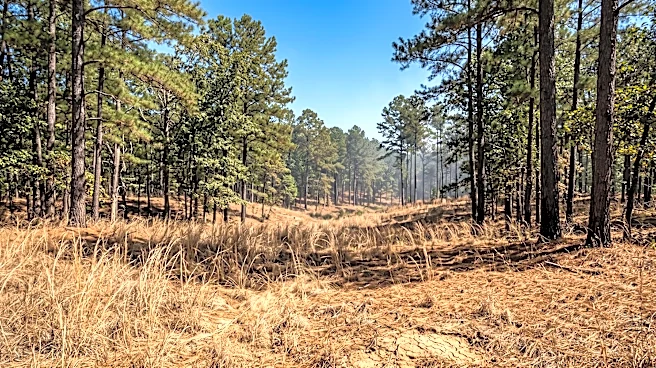
PotlatchDeltic has issued a complete fire ban for all recreational units (RUs) across Arkansas, effective immediately. This decision comes in response to persistent dry conditions and elevated wildfire danger in the region, highlighted by a recent wildfire at Cowhide
Cove. The Murfreesboro Fire Department is disseminating this urgent safety notice, emphasizing the need for extreme caution from residents, property owners, and outdoor recreation groups. The temporary restrictions prohibit activities such as mowing or bushhogging, grilling or outdoor cooking with open flames, smoking, and the use of fireworks or Tannerite. Additionally, parking vehicles in tall grass or with hot exhaust systems in grassy or wooded areas is forbidden. Users are also advised to exercise extreme caution when towing to prevent sparks from equipment contact with pavement or rocks. These measures are crucial as even a small spark can rapidly escalate into a widespread fire under current conditions.
Why It's Important?
The implementation of a complete fire ban by a major landholder like PotlatchDeltic underscores the severe and immediate threat posed by wildfires to Arkansas's natural resources, communities, and private property. This action is critical for mitigating the risk of devastating fires that can lead to significant economic losses, environmental damage, and potential threats to human life. The financial responsibility warning issued by Weyerhaeuser, another major land user, further highlights the substantial costs associated with wildfire suppression, which can be levied against individuals or groups whose activities cause a fire. By restricting high-risk activities, these companies and local authorities aim to protect vast tracts of timberland, wildlife habitats, and residential areas. The ban also serves as a stark reminder to the public about the collective responsibility in preventing wildfires, especially during periods of drought and high temperatures, ensuring the safety and sustainability of the state's ecological and economic assets.
What's Next?
The fire ban will remain in effect indefinitely, contingent on improvements in weather and wildfire conditions. Property users and recreational clubs will be notified once the restrictions are lifted. Officials are urging all members and guests to strictly adhere to these temporary measures and to report any wildfires immediately by calling 9-1-1. The Arkansas Forestry Division's official guidance on burn bans, wildfire danger, and prescribed burns remains a key resource for residents. Continued vigilance and compliance from the public are essential to prevent accidental fires. The Murfreesboro Fire Department and other local authorities will likely continue to monitor conditions closely and provide updates, emphasizing that any activity that could create a spark should be avoided. The duration of the ban will depend on factors such as rainfall, humidity levels, and the overall reduction in wildfire risk.
Beyond the Headlines
This fire ban reflects a broader trend of increased wildfire risk across the U.S., particularly in states with extensive natural landscapes, driven by changing climate patterns that lead to prolonged dry spells and higher temperatures. The proactive measures taken by companies like PotlatchDeltic and Weyerhaeuser illustrate the growing corporate responsibility in environmental stewardship and risk management, moving beyond mere compliance to active prevention. The financial liability aspect for wildfire suppression costs could set a precedent, encouraging greater accountability among land users and potentially influencing insurance policies and land management practices. This situation also highlights the delicate balance between recreational access to natural areas and the imperative to protect them from environmental hazards. It underscores the need for continuous public education on wildfire prevention and the critical role of local fire departments and forestry divisions in safeguarding communities and ecosystems against escalating environmental threats.