





What's Happening?
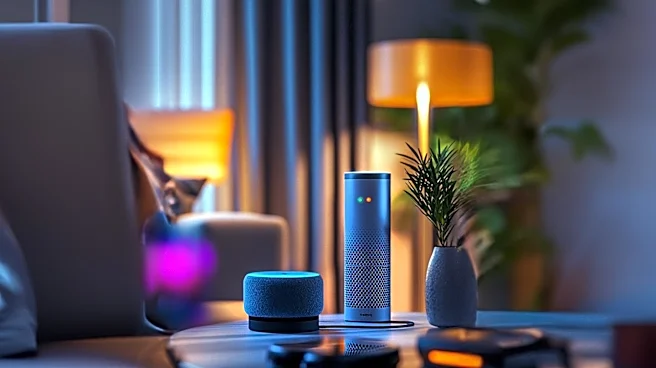
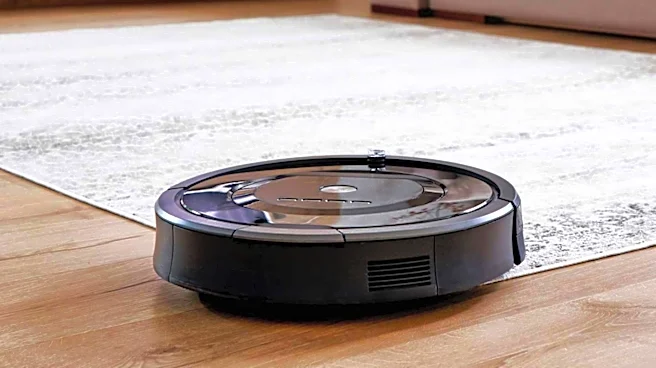
Smart home technology is increasingly being integrated into U.S. residences to enhance convenience, safety, and accessibility. These systems connect everyday devices like lights, thermostats, and door locks to the internet, allowing remote monitoring
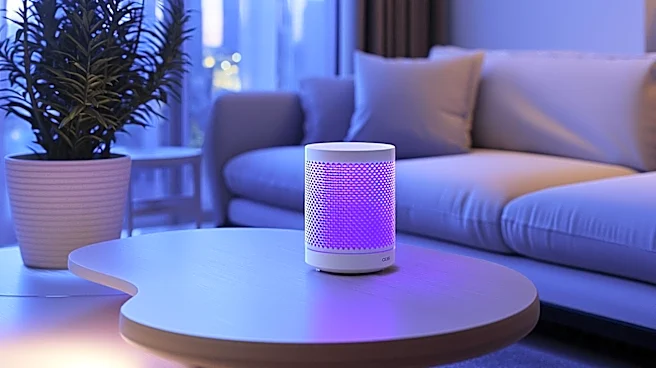
and control via smartphones, tablets, or voice assistants. The core components of a smart home ecosystem include smart hardware, a reliable network (like Wi-Fi or mesh networks), and a central platform such as Apple Home, Google Home, or Amazon Alexa. Devices communicate using various wireless standards, including Wi-Fi, Bluetooth Low Energy (BLE), Zigbee, Z-Wave, and Matter. This technology facilitates automation, enabling routines like lights turning on automatically or thermostats adjusting to preferred temperatures. Smart home automation is particularly beneficial when it simplifies daily electrical features rather than adding unnecessary complexity. For instance, voice-controlled lighting, automated window treatments, and app-controlled climate systems offer greater independence with minimal visible hardware. The focus is on creating intuitive and responsive living spaces that adapt to user needs and routines.
Why It's Important?
The widespread adoption of smart home technology holds significant importance for U.S. households, impacting daily life, energy consumption, and personal independence. For the general population, these systems offer enhanced convenience, allowing users to manage their homes more efficiently and securely. This can lead to tangible benefits such as reduced energy bills through optimized heating and cooling schedules, and improved home security with features like video doorbells and instant alerts for unusual activity. More critically, smart home technology is a game-changer for individuals with limited mobility or older adults. Features like voice-controlled lighting, automated doors, and app-controlled climate systems provide greater independence, enabling them to navigate and control their living spaces more easily. This supports the growing trend of 'aging in place,' allowing older adults to remain safely and comfortably in their homes for longer. The technology also offers peace of mind for caregivers, providing non-intrusive ways to monitor the well-being of loved ones without resorting to surveillance cameras.
What's Next?
The future of smart home technology in the U.S. is likely to see continued integration and standardization, making these systems more accessible and user-friendly. The Matter standard, backed by major tech companies like Apple, Google, Amazon, and Samsung, is poised to enhance cross-brand compatibility, simplifying the setup and management of diverse smart devices. This will reduce fragmentation in the market and encourage broader adoption. We can expect further advancements in artificial intelligence and machine learning within smart home systems, leading to more personalized and predictive automation. Homes will become more adept at learning user habits and anticipating needs, adjusting environments proactively. Additionally, the focus on 'age tech' will likely expand, with more specialized devices designed to support older adults and individuals with disabilities, offering solutions for medication management, fall detection, and health monitoring without compromising privacy. The industry will also likely see increased emphasis on cybersecurity measures to protect these interconnected systems from potential threats.
Beyond the Headlines
Beyond the immediate benefits of convenience and safety, the proliferation of smart home technology in the U.S. raises deeper implications concerning privacy, data security, and the evolving definition of 'home.' As more personal data is collected by interconnected devices—from daily routines to health metrics—the ethical considerations around data ownership, usage, and protection become paramount. Ensuring robust cybersecurity protocols and transparent data policies will be crucial to maintaining consumer trust. Furthermore, the increasing reliance on automated systems could subtly reshape human behavior and interaction within the home environment, potentially altering traditional domestic roles and routines. There's also a growing discussion about the digital divide, as access to these technologies may not be equitable, potentially exacerbating existing social inequalities. The long-term impact on the housing market, with smart features becoming standard expectations, could also influence property values and design trends, pushing for homes that are not just aesthetically pleasing but also technologically integrated and adaptable.