


What's Happening?
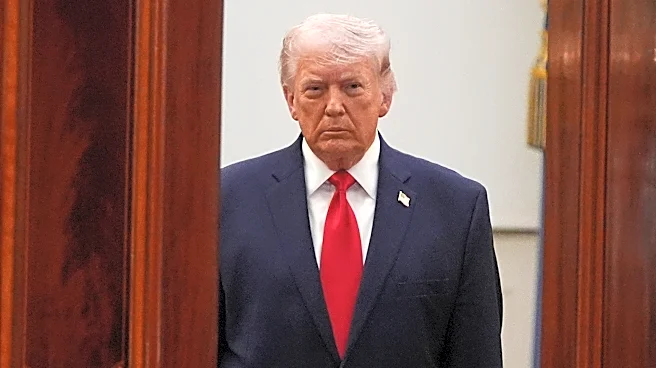
President Trump has proposed a $2.2 trillion budget for fiscal year 2027, which includes a 10% reduction in funding for non-defense agencies, amounting to $73 billion in cuts. This proposal is less severe than the 22% cuts suggested in the previous year's
budget, which Congress largely ignored. Despite the reductions, the budget includes significant increases in defense spending, which would rise by 44% to $1.5 trillion. Other agencies, such as the Justice Department, Veterans Affairs, and Transportation, would see budget increases to support law enforcement, health records modernization, and infrastructure improvements, respectively. The budget also aims to eliminate 11 federal programs deemed unnecessary by the administration, including those related to education, housing, and environmental justice.
Why It's Important?
The proposed budget reflects a significant shift in federal spending priorities, emphasizing defense and law enforcement while reducing funding for scientific research, climate change initiatives, and social programs. The cuts could impact various sectors, including health, housing, and environmental protection, potentially affecting services and support for low-income Americans, refugees, and disaster preparedness. The increase in defense spending and law enforcement funding aligns with the administration's focus on national security and immigration enforcement. The budget proposal also signals a move towards reducing the size of the federal government by eliminating programs and consolidating agencies, which could lead to job losses and changes in how services are delivered.
What's Next?
The proposed budget will likely face scrutiny and debate in Congress, where lawmakers will have to balance the administration's priorities with their own. The potential impact on federal programs and services could lead to opposition from various stakeholders, including advocacy groups and affected communities. The administration's focus on reducing non-defense spending and eliminating certain programs may prompt discussions on the role of government and the allocation of resources. As the budget process unfolds, negotiations and amendments are expected, which could alter the final outcome.