








What's Happening?
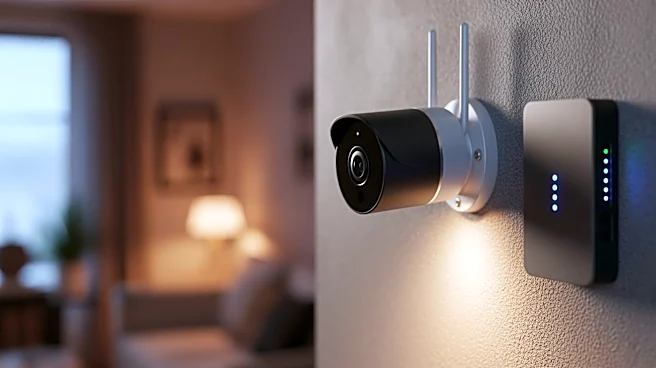
Many homeowners are opting for local storage solutions for their security cameras to avoid the privacy risks associated with cloud storage. Local storage allows users to manage their video footage directly on the device, using microSD cards or hubs, rather
than sending it to data servers managed by security companies. This shift is driven by concerns over data breaches and privacy issues. Brands like Eufy, Tapo, Lorex, and Wyze offer cameras with built-in microSD card slots, enabling users to store footage locally. The process involves checking camera compatibility, purchasing a suitable microSD card, and setting up the storage through the camera's app. Some brands also offer hubs that can manage storage for multiple cameras, providing a more robust security system.
Why It's Important?
The move towards local storage in home security systems reflects growing consumer awareness and concern over data privacy. By keeping video footage out of the cloud, users can reduce the risk of unauthorized access and data breaches. This trend could influence the home security industry, pushing more companies to offer local storage options and potentially reducing reliance on cloud-based services. It also highlights a broader shift in consumer preferences towards greater control over personal data, which could impact how tech companies design and market their products.
What's Next?
As more consumers adopt local storage solutions, security camera manufacturers may increase their focus on developing and marketing products that support this feature. This could lead to innovations in storage technology and more competitive pricing for local storage-compatible devices. Additionally, there may be increased demand for user-friendly apps that facilitate easy management of local storage, prompting companies to enhance their software offerings.