








What's Happening?
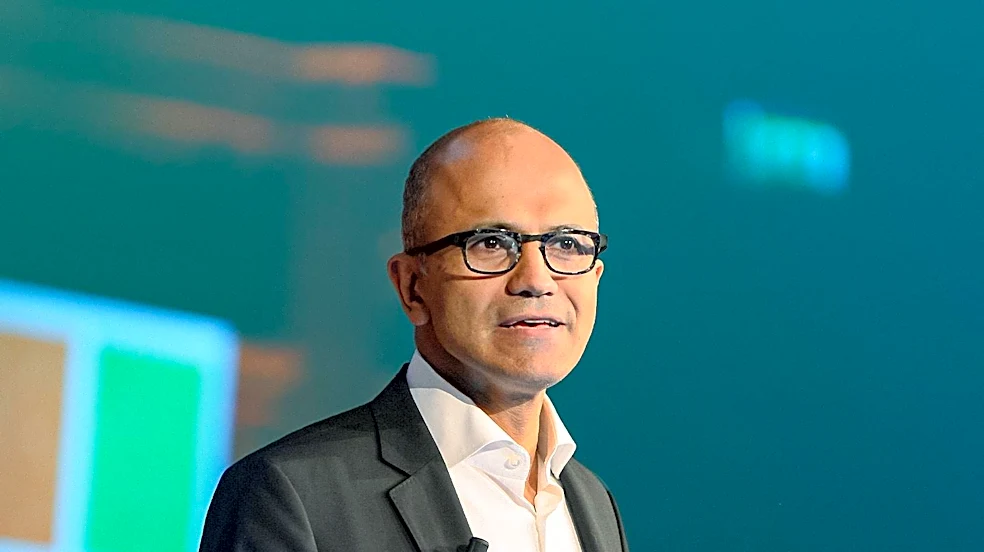
Satya Nadella, Chairman and CEO of Microsoft, recently discussed new research demonstrating how machine learning can significantly improve the accuracy of weather forecasts, particularly for predictions two to six weeks in advance. This advancement, detailed
in a Nature publication, addresses a historically challenging timeframe for weather prediction. Nadella emphasized that this machine learning-driven approach has the potential to extend predictive capabilities beyond the current limitations of a week or two. The implications of such improved forecasting are far-reaching, enabling various industries and public services to adapt proactively to future weather patterns. Beyond the models themselves, Nadella stressed the importance of developing intelligent verification systems that can learn from errors, understand causal relationships, and continuously calibrate predictions against real-world data to ensure reliability and trustworthiness.
Why It's Important?
Improved long-term weather forecasting has substantial promise for better preparedness against extreme weather events, more effective management of natural resources, and more informed decision-making in the agricultural sector. Earlier warnings for hurricanes, floods, and droughts can allow communities and authorities to prepare more effectively, potentially saving lives and reducing economic damage. Better predictions can also aid in managing critical resources like water and energy grids, which are highly sensitive to weather patterns. For agriculture, farmers can make more informed decisions regarding planting, irrigation, and harvesting, leading to potentially boosted yields and reduced losses. The development of robust verification systems for AI models is crucial for building trust and ensuring the practical utility of AI-driven predictions across various critical applications.
What's Next?
The research highlighted by Satya Nadella suggests a future where AI-driven weather forecasting becomes increasingly reliable and integrated into decision-making processes across multiple sectors. The focus on developing intelligent verification systems alongside predictive models indicates a move towards more robust and trustworthy AI applications. Future developments will likely involve further refinement of these machine learning models and verification systems, leading to even greater accuracy and longer prediction horizons. This could prompt increased investment in AI research and development within meteorological organizations and private companies, aiming to leverage these advancements for societal benefit and to address global challenges like climate change and its impacts.
Beyond the Headlines
The integration of advanced machine learning with robust verification mechanisms represents a significant step forward in AI development, moving beyond simply making predictions to actively ensuring their accuracy and relevance. This approach has broader implications for the responsible development and deployment of AI across various fields, emphasizing the need for systems that can self-correct and adapt. Ethically, the ability to predict extreme weather with greater accuracy raises questions about equitable access to such information and resources for preparedness, especially for vulnerable communities. Legally, the increased reliance on AI for critical forecasts may necessitate new frameworks for accountability and liability when predictions impact public safety or economic outcomes. Culturally, a greater understanding and acceptance of AI-driven forecasts could lead to shifts in how societies plan and respond to environmental challenges.