







What's Happening?
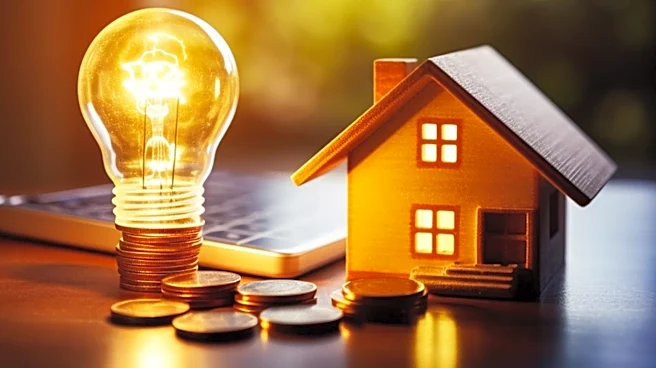
A recent Consumer Reports survey of over 2,000 adults nationwide, cited by CBS News, indicates that nearly one in four Americans are enduring uncomfortable home temperatures to manage rising electricity bills. Approximately 80% of respondents who have
lived in the same home for at least three years reported increased electricity costs, with 28% seeing increases between 20% and 49%. Sara Enright, senior director of safety and energy at Consumer Reports, noted that many individuals are cutting back on groceries, vacations, and dining out to cover utility expenses. The survey also highlighted a growing distrust among respondents regarding whether state utility regulators are acting in their best interest, a sentiment that crosses party lines.
Why It's Important?
The findings from the Consumer Reports survey underscore a significant financial burden on American households, impacting their quality of life and economic stability. The necessity for families to reduce spending on food and other essentials to afford electricity points to a broader issue of energy affordability and its direct effect on household budgets. This situation can lead to increased financial stress, reduced discretionary spending, and potentially a decline in overall consumer confidence. Furthermore, the growing distrust in utility regulators suggests a breakdown in the public's perception of oversight and fairness within the energy sector, which could lead to calls for greater transparency and accountability from utility companies and government bodies.
What's Next?
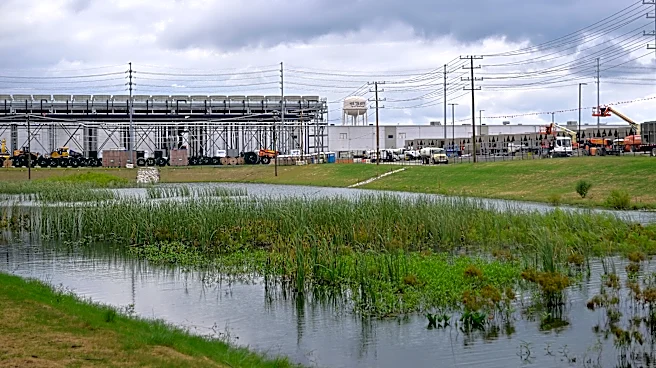
Consumer Reports is launching a new initiative called Power Smarter, which includes the CR Bill Decoder, allowing consumers to submit their electricity bills for analysis to identify patterns and chart pricing nationwide. This initiative aims to empower consumers with information and potentially advocate for policy changes. The forecast by Schneider Electric, an energy management company, predicts a 16% rise in U.S. electricity demand by 2029, largely driven by data centers, suggesting that the upward trend in electricity costs may continue. This projection indicates that without significant interventions or changes in energy policy, more Americans could face similar financial pressures in the coming years.
Beyond the Headlines
The survey's revelations about Americans sacrificing basic needs for electricity bills highlight a critical social and economic challenge. Beyond the immediate financial strain, this trend can exacerbate existing inequalities, disproportionately affecting lower-income households. The perceived profit motives of utilities and the impact of data centers on electricity demand raise ethical questions about corporate responsibility and the equitable distribution of energy costs. The erosion of trust in state utility regulators also points to a deeper systemic issue, where public perception of fairness in essential services is diminishing. Addressing these concerns will require a multi-faceted approach, including regulatory reforms, consumer protection measures, and potentially exploring alternative energy solutions like solar power to alleviate the burden on households.