



What's Happening?
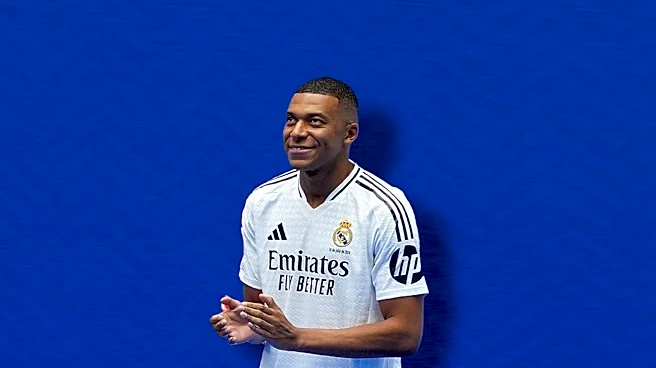
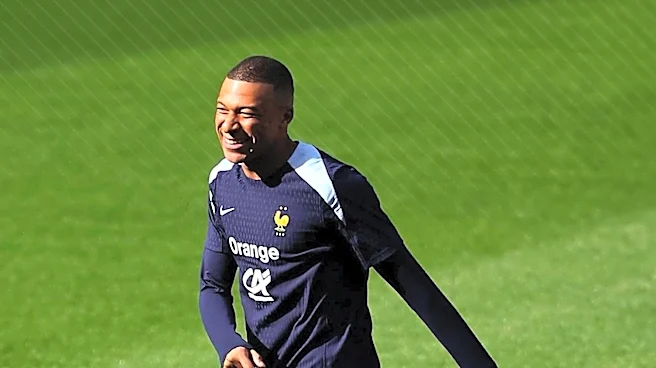
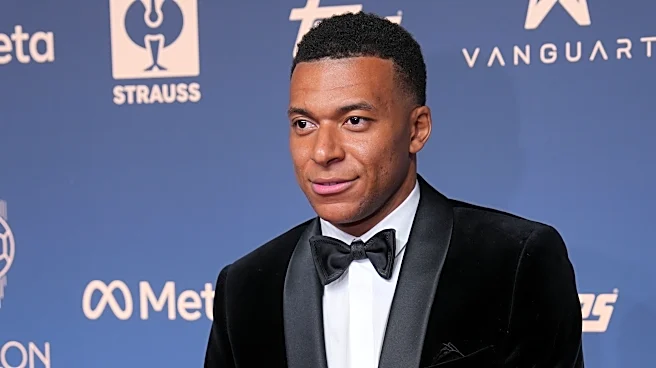
French soccer star Kylian Mbappé has encountered significant controversy in China after a comment he made in a French talk show. Mbappé discussed a meme where his face was photoshopped onto 'some guy – I think he’s a Chinese dictator,' later identified
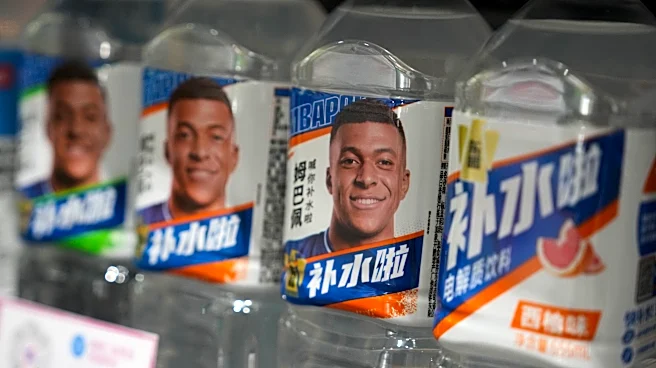
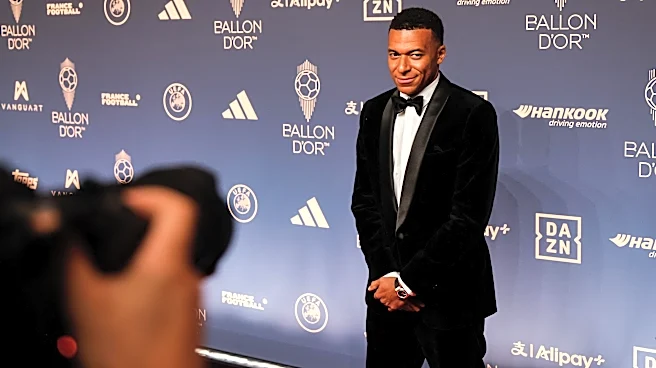
as former Chinese leader Mao Zedong. This 'throwaway comment,' as described by CNN, ignited a firestorm on Chinese social media, leading to immediate repercussions. Multiple brands severed ties with Mbappé, citing 'zero tolerance for any words or actions that hurt the feelings of the Chinese people.' State media subsequently removed all content and advertisements featuring Mbappé and halted broadcasts of matches and events involving him and the Spanish football league La Liga. Mbappé, who recently placed second in the Ballon d’Or vote, issued a formal apology, stating his comment was 'ill-judged' and acknowledging it 'hurt many people in China and in Chinese communities around the world.'
Why It's Important?
This incident underscores the significant risks and sensitivities foreign celebrities and brands face when operating in the Chinese market. China's consumer base is highly sensitive to perceived slights or attacks on the country and its people, as noted by Shaun Rein, founder of the China Market Research Group. The swift and severe backlash against Mbappé, including brands cutting ties and state media removing content, demonstrates the immediate financial and reputational consequences of missteps. For U.S. businesses and public figures with interests in China, this event serves as a stark reminder of the need for extreme caution and cultural awareness. The potential for long-lasting damage, as seen with past controversies involving brands like Dolce & Gabbana and the Houston Rockets, highlights the fragility of market access and brand loyalty in China.
What's Next?
Following Mbappé's apology, the immediate focus will be on whether his efforts at damage control will be sufficient to mitigate the long-term impact on his endorsements and public image in China. La Liga and other affiliated brands are also working to reverse the damage, emphasizing their respect for Chinese partners. However, the recovery process can be lengthy and uncertain, as evidenced by previous incidents. Brands and celebrities engaging with the Chinese market will likely increase their vigilance and invest more in cultural sensitivity training and local expertise to navigate the complex geopolitical and historical sensitivities. This event may also prompt Western sports leagues and teams to privately advise their players on avoiding similar controversies, given the multi-million dollar sponsorships at stake.
Beyond the Headlines
The Mbappé controversy highlights a broader trend of surging ultranationalism and increased assertiveness in China's foreign policy, which has amplified online sensitivities. While Chinese social media platforms are highly censored, the lack of explicit details about Mbappé's comments has led many Chinese citizens to speculate about the cause of the offense. This incident also reveals the inherent tension for foreign entities seeking to capitalize on China's enormous consumer market while adhering to global standards of free expression. The economic allure of China, with its status as the second-largest economy and a major growth segment for many industries, often compels apologies and retractions, even when controversies stem from seemingly innocuous comments. This dynamic creates a challenging ethical and operational landscape for international figures and corporations.