






What's Happening?
Iranian Foreign Minister Abbas Araghchi met with Pakistan's military chief in Islamabad, but no meeting with U.S. negotiators is planned. Despite U.S. special envoys Steve Witkoff and Jared Kushner heading to Pakistan for talks, Iran's Foreign Ministry
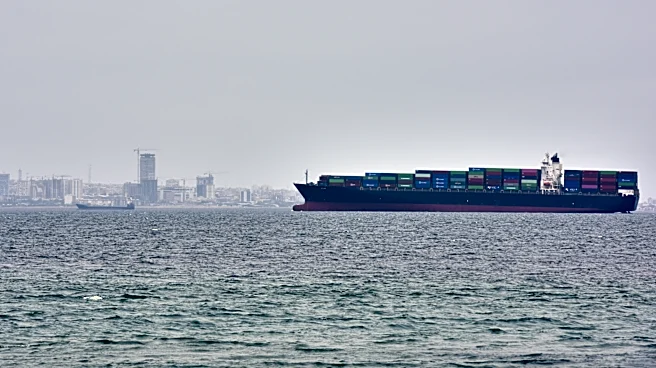
stated that no direct discussions with the U.S. are scheduled. The U.S. delegation aims to engage in dialogue following President Trump's directive for Iran to make an offer. The talks are part of ongoing efforts to address tensions, particularly concerning the Strait of Hormuz, where a U.S. naval blockade is in place.
Why It's Important?
The absence of direct talks between Iran and the U.S. highlights the ongoing diplomatic challenges in resolving tensions in the Middle East. The Strait of Hormuz, a critical oil-shipping route, remains a focal point of geopolitical friction, affecting global oil markets and regional stability. The U.S. blockade and Iran's response have significant implications for international trade and energy security. The situation underscores the complexities of U.S.-Iran relations and the broader geopolitical landscape, where diplomatic efforts are crucial to preventing escalation and fostering stability.
What's Next?
The U.S. envoys' visit to Pakistan may still facilitate indirect communication between the U.S. and Iran, with Pakistan potentially playing a mediating role. The outcome of these discussions could influence future diplomatic engagements and strategies to de-escalate tensions. The international community will likely monitor the situation closely, as any developments could impact global energy markets and regional security dynamics. Continued diplomatic efforts and potential negotiations are expected as both sides navigate the complex geopolitical environment.