

What's Happening?
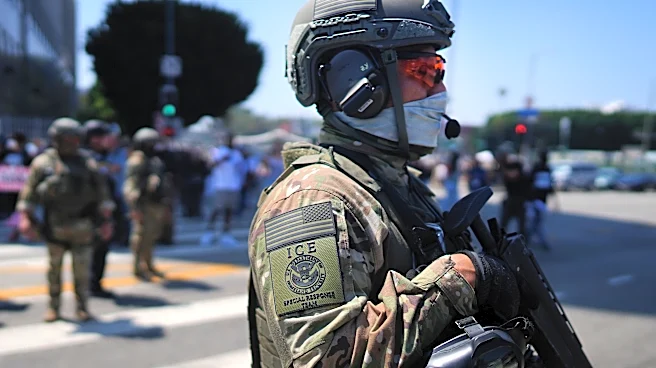
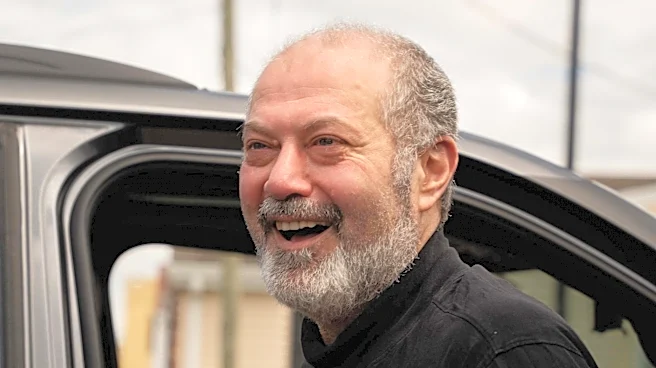
Chicago-based DJ Tunjo, originally from Colombia, and his partner have been detained by Immigration and Customs Enforcement (ICE) at Midway Airport. The couple was arrested for overstaying their visas, which expired in 2022. They had applied for asylum
due to persecution faced in Colombia as members of the LGBTQ+ community. DJ Tunjo, known for his performances at local festivals, was on a tour across the U.S. when detained. The couple is currently held in Indiana, awaiting a court hearing on August 19.
Why It's Important?
This incident highlights the complexities and challenges faced by immigrants in the U.S., particularly those seeking asylum. The increased collaboration between the Transportation Security Administration (TSA) and ICE has led to more frequent arrests of non-citizens at airports, raising concerns about the treatment of immigrants and the potential for civil rights violations. The case of DJ Tunjo also underscores the precarious situation of LGBTQ+ asylum seekers, who often face additional hurdles in their quest for safety and legal status in the U.S.
What's Next?
The upcoming court hearing on August 19 will be crucial in determining the couple's future in the U.S. Their legal team will likely argue for their right to asylum based on the persecution they face in Colombia. Meanwhile, advocacy groups may increase efforts to support the couple and raise awareness about the broader implications of increased immigration enforcement at airports. The outcome of this case could set a precedent for similar cases involving asylum seekers and visa overstays.
Beyond the Headlines
The detention of DJ Tunjo and his partner brings attention to the broader issue of immigration policy and enforcement in the U.S. It raises ethical questions about the balance between national security and human rights, particularly for vulnerable populations like LGBTQ+ individuals. The case may also influence public opinion and policy discussions on immigration reform, potentially impacting future legislative efforts to address the needs of asylum seekers and undocumented immigrants.