




What's Happening?
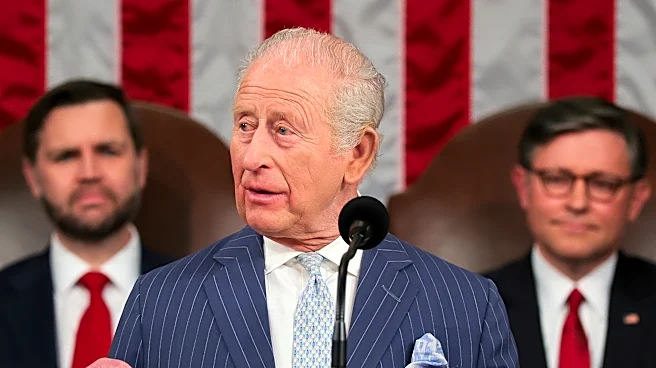
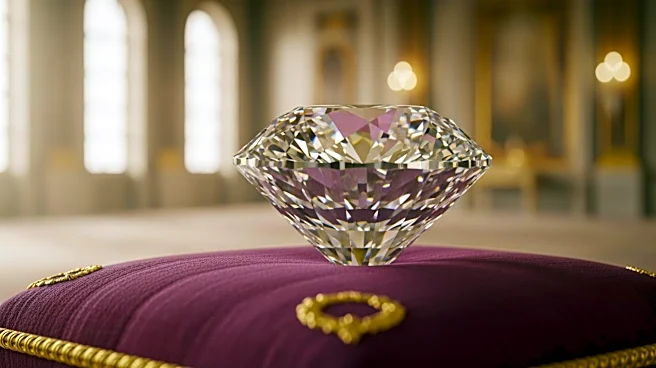
New York City Mayor Zohran Mamdani has publicly stated that if given the opportunity to meet with King Charles III, he would encourage the British monarch to return the Koh-i-Noor diamond to India. The Koh-i-Noor, a 105.6-carat gem, was taken by the East
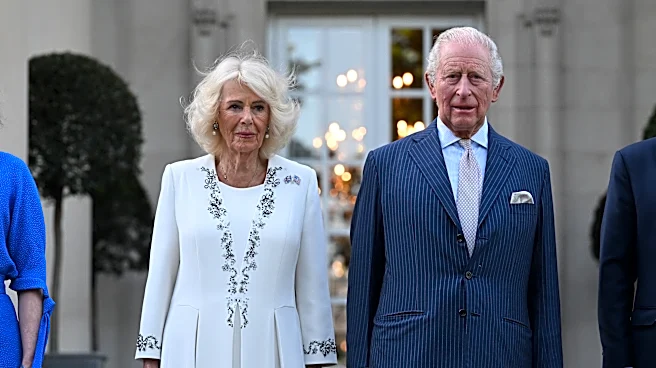
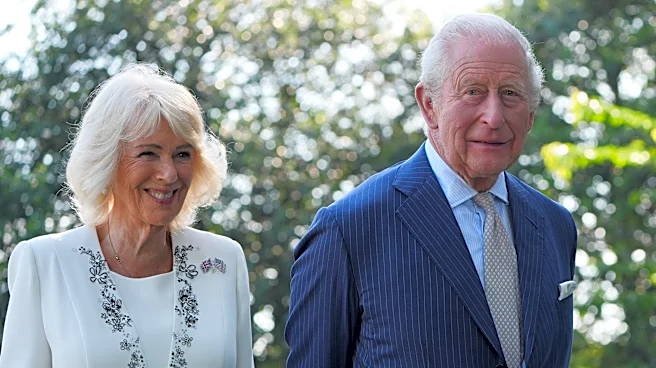
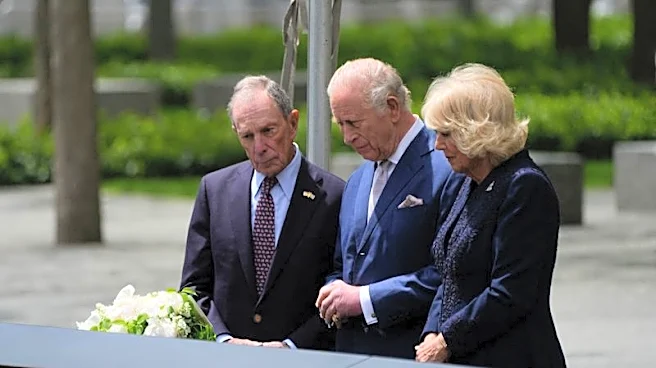
India Company from a deposed Indian leader in 1849 as part of a peace agreement. Currently, the diamond is set in the Crown of Queen Elizabeth the Queen Mother, housed in the Tower of London. Mamdani's comments came shortly before he was scheduled to meet King Charles and Queen Camilla at a wreath-laying ceremony at the 9/11 Memorial in New York City. The ownership of the Koh-i-Noor has been a subject of controversy, and Buckingham Palace has declined to comment on the matter.
Why It's Important?
The suggestion by Mayor Mamdani highlights ongoing debates about the repatriation of cultural artifacts and historical treasures taken during colonial times. The Koh-i-Noor diamond is a symbol of this broader issue, representing the complex history between Britain and its former colonies. The call for its return to India could influence international discussions on cultural restitution and set a precedent for other claims. This issue also touches on diplomatic relations between the UK and India, potentially affecting bilateral ties. For New York City, Mamdani's statement underscores the city's role as a platform for global discourse on historical justice and cultural heritage.
What's Next?
While Buckingham Palace has not commented, the issue of the Koh-i-Noor's ownership is likely to remain a topic of international debate. Future discussions may involve diplomatic negotiations between the UK and India, as well as potential legal challenges. Cultural institutions worldwide may also face increased pressure to address similar claims for the return of artifacts. The outcome of this debate could influence policies on cultural heritage and restitution, impacting museums and collections globally.
Beyond the Headlines
The call for the return of the Koh-i-Noor diamond raises ethical questions about the legacy of colonialism and the responsibilities of former colonial powers. It also prompts a reevaluation of how cultural heritage is preserved and shared. The debate may lead to broader discussions on how history is remembered and taught, influencing educational curricula and public awareness. Additionally, the issue highlights the role of public figures, like Mayor Mamdani, in advocating for historical justice and cultural reconciliation.