




What's Happening?
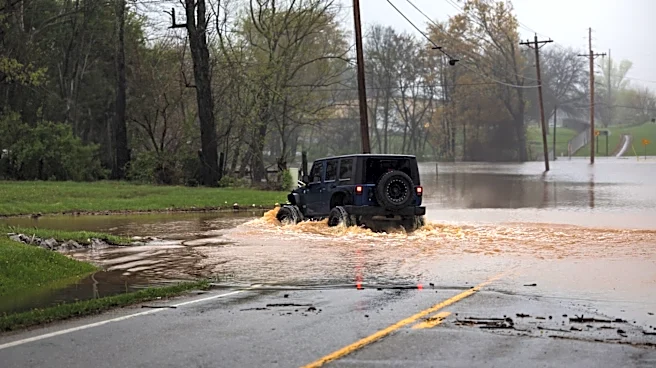
Torrential rainfall has caused flash flooding, road washouts, debris slides, and fallen trees across the northern section of New River Gorge National Park and Preserve in West Virginia. Several key routes into the gorge, including roads to Nuttallburg,
Cunard, Fayette Station, and Glade Creek, have been closed, cutting off access to popular river and camping areas. The road to Nuttallburg is impassable due to a large washout, while Cunard Road is blocked by a debris slide and fallen trees, making the Cunard river access and Brooklyn campground inaccessible. Portions of Fayette Station Road are also closed due to large downed trees. These closures follow another round of severe weather in southern West Virginia, with more rain anticipated, potentially worsening conditions.
Why It's Important?
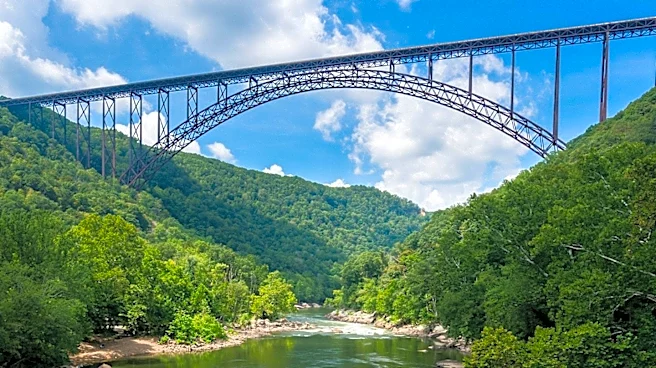
New River Gorge National Park and Preserve is a significant tourism destination, attracting nearly 2 million recreation visits in 2025. The park is renowned for whitewater rafting, rock climbing, hiking, fishing, mountain biking, and camping. The current road closures severely impact visitor access to many of these popular recreational activities, particularly those dependent on river access and lower gorge areas. This disruption not only affects the visitor experience but also has potential economic implications for local businesses that rely on tourism. The repeated heavy rainfall and subsequent flooding highlight the increasing vulnerability of natural parks and infrastructure to extreme weather events, posing challenges for park management and visitor safety.
What's Next?
Park officials are urging visitors to exercise caution around streams, low-lying areas, and roads descending into the gorge, and they plan to issue additional updates as conditions evolve. Crews are currently assessing storm damage, and significant equipment will be required to clear large downed trees and repair washouts. The expectation of more rain overnight suggests that conditions could deteriorate further, potentially prolonging road closures and access restrictions. The park will need to prioritize repairs to restore access to critical recreation areas, which could be a lengthy and resource-intensive process, especially if further weather events occur.
Beyond the Headlines
The flash flooding at New River Gorge National Park underscores the broader impact of changing weather patterns on national parks and outdoor recreation. As climate change contributes to more frequent and intense rainfall events, infrastructure within natural areas, often built decades ago, becomes increasingly susceptible to damage. This necessitates a re-evaluation of park management strategies, including infrastructure resilience, emergency preparedness, and visitor communication. Furthermore, it highlights the delicate balance between promoting outdoor recreation and ensuring the safety of visitors in dynamic natural environments. The incident serves as a reminder that even well-established natural attractions are not immune to the forces of nature, and adaptation to a changing climate is crucial for their long-term preservation and accessibility.