



What's Happening?
A new heatwave is expected to hit Europe this week, with temperatures reaching up to 42°C in Spain and 40°C in France, according to the European Union's Copernicus satellite system. This follows a record-breaking June, which was the hottest on record for
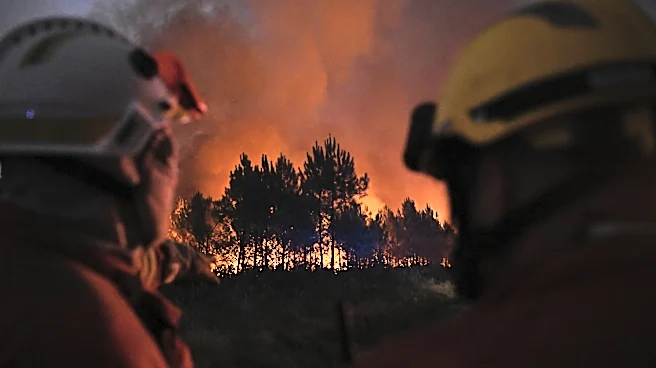
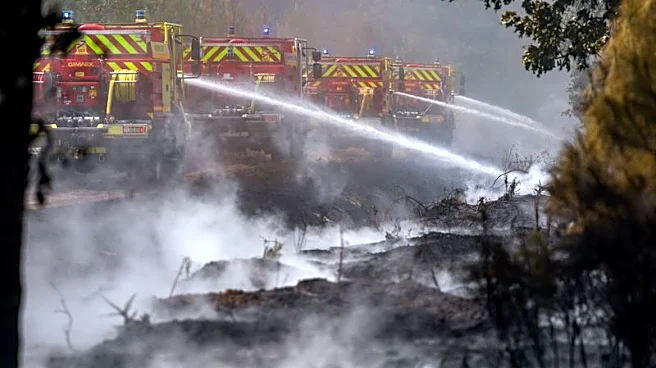
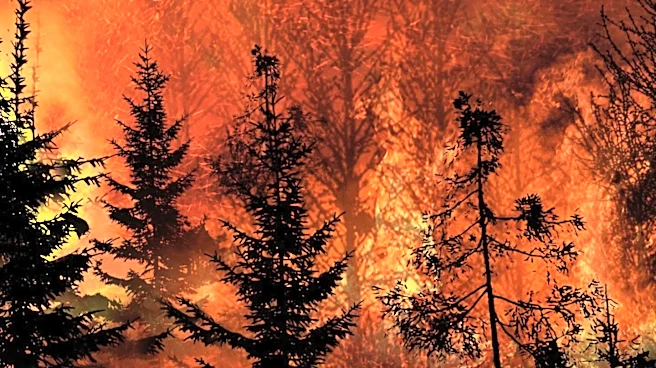
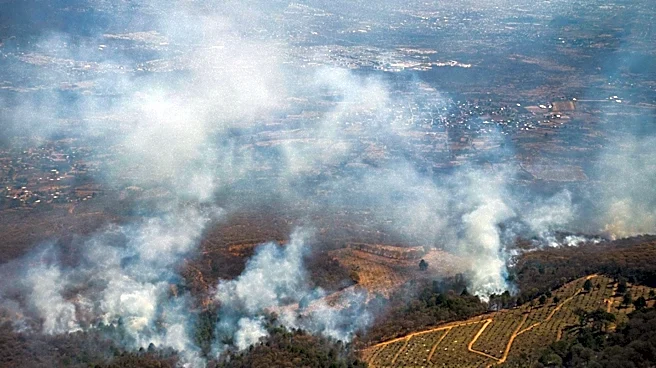
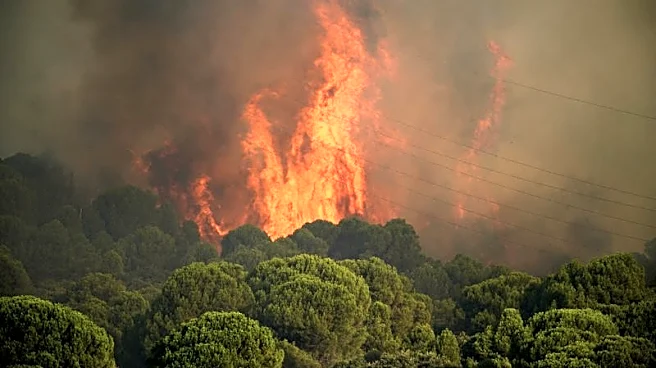
Western Europe. The extreme heat has exacerbated wildfires, particularly in Spain, where the largest wildfire on record has burned 50,000 hectares. The heatwave has also put pressure on infrastructure, such as Germany's Autobahn, where high temperatures have caused road surfaces to buckle and deform.
Why It's Important?
The heatwave highlights the growing impact of climate change on Europe, with significant implications for public health, agriculture, and infrastructure. Over 10,000 excess deaths were recorded during the June heatwave, with France alone reporting at least 5,764 excess deaths. The agricultural sector is also affected, with the heatwave projected to reduce the value of Europe's grain harvest by around €2 billion. The situation underscores the urgent need for climate adaptation and mitigation strategies to protect vulnerable populations and economic sectors.
What's Next?
As Europe braces for another heatwave, governments and emergency services are on high alert to manage the potential impacts. The European Forest Fire Information System has issued fire warnings for parts of southwestern France and northern Spain. The ongoing heatwaves are expected to become more frequent and intense, prompting calls for increased investment in climate resilience and adaptation measures.
Beyond the Headlines
The recurring heatwaves in Europe are part of a broader pattern of extreme weather events linked to climate change. These events are expected to become more common as global temperatures continue to rise, posing challenges for public health, food security, and infrastructure. The situation calls for a reevaluation of current policies and practices to better prepare for and mitigate the impacts of climate change.