









What's Happening?
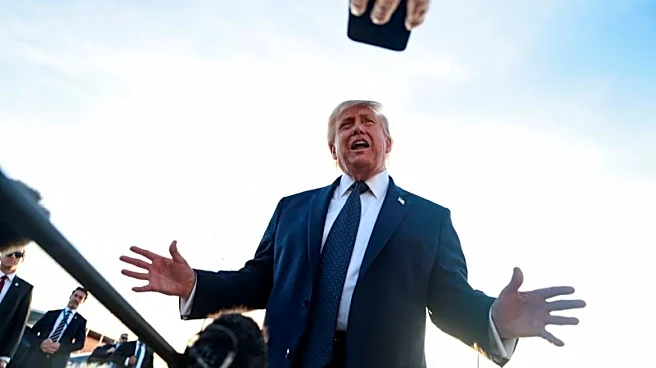
The Trump administration is moving forward with an executive order to create a national voter list, as detailed in a recent Department of Homeland Security (DHS) memo. This initiative, expected to be implemented by June 30, will allow state election officials
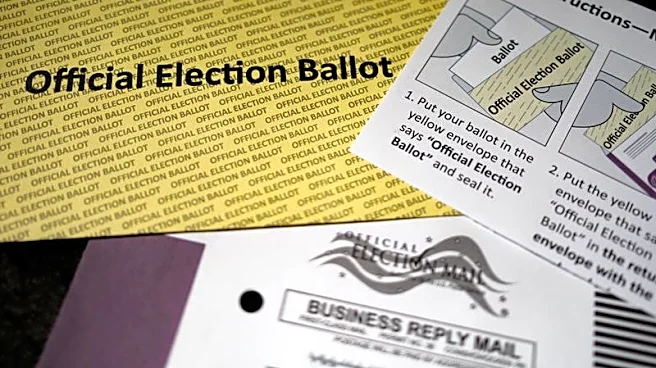
to access citizenship data before voters can verify their own records. The memo indicates that the government does not plan to have a citizen-facing portal ready by the implementation date, potentially leading to voters being incorrectly removed from rolls. The Democratic Senatorial Campaign Committee (DSCC) has filed a lawsuit against this order, arguing it is unconstitutional and could significantly restrict mail voting by ensuring only those on the federal list receive mail ballots. Despite a federal judge's refusal to block the order, the administration is proceeding with its plans, which include using data from the U.S. Citizenship and Immigration Services, the Social Security Administration, and the Department of State.
Why It's Important?
The implementation of this order could have significant implications for the upcoming midterm elections by potentially disenfranchising voters who are not on the federal list. The lack of a ready portal for voters to check and correct their records raises concerns about the accuracy of the voter rolls and the potential for eligible voters to be wrongly excluded. This move is part of a broader strategy by the Trump administration to tighten voting regulations, which critics argue could suppress voter turnout, particularly among minority and marginalized communities. The legal battle over this order highlights ongoing tensions between federal and state control over election processes and the balance between ensuring election integrity and protecting voter rights.
What's Next?
The DSCC's appeal against the order is currently fast-tracked in the D.C. Circuit Court of Appeals, with responses due by June 29 and a reply from the plaintiffs by July 6. As the legal proceedings continue, the Trump administration is actively building the infrastructure to support the order, which could prompt the appeals court to intervene. The outcome of this case could set a precedent for future federal involvement in state election processes and influence the broader debate over voting rights and election security in the United States.