





What's Happening?
As the development of data centers expands across the United States, there is growing concern about their potential impact on local utility rates. Washtenaw County Commissioner Yousef Rabhi has voiced concerns that the establishment of these large facilities
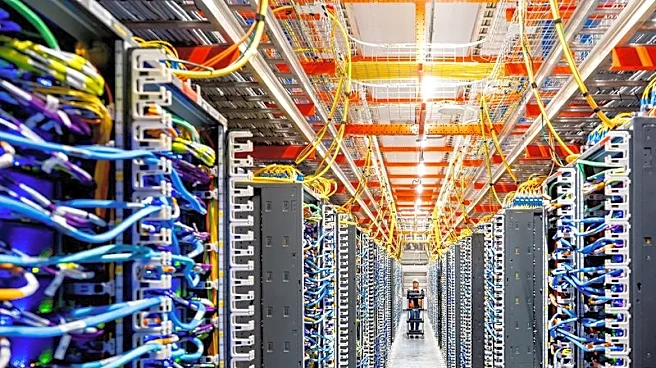
could lead to increased utility bills for residents. The expansion of data centers is part of a broader trend driven by the increasing demand for data processing and storage capabilities. However, this growth has sparked protests from local communities worried about the environmental and economic impacts, including potential hikes in electricity costs due to the high energy consumption of these centers.
Why It's Important?
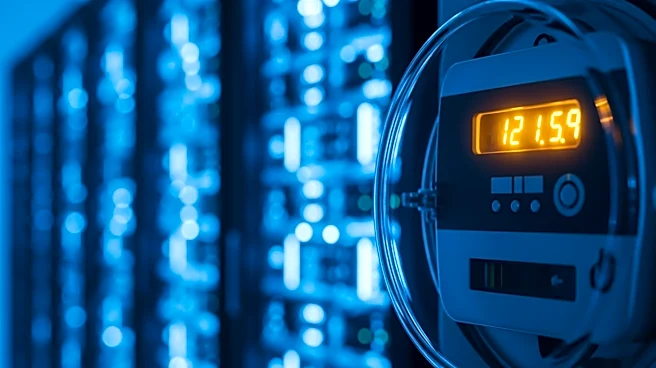
The potential increase in utility bills due to data centers is significant as it could affect household budgets and local economies. Data centers require substantial amounts of electricity to operate, which can strain local power grids and lead to higher costs for consumers. This issue is particularly relevant in areas like Washtenaw County, where residents are already concerned about rising living expenses. The debate highlights the need for balancing technological advancement with sustainable practices and community welfare. If utility rates rise, it could lead to increased financial pressure on families and small businesses, potentially impacting economic stability in affected regions.
What's Next?
Communities and local governments may need to engage in discussions about the placement and regulation of data centers to mitigate potential negative impacts. This could involve exploring alternative energy sources or implementing policies to ensure that the benefits of data center development, such as job creation and technological advancement, do not come at the expense of increased living costs. Stakeholders, including utility companies, policymakers, and community groups, will likely need to collaborate to find solutions that address both economic and environmental concerns.