





What's Happening?
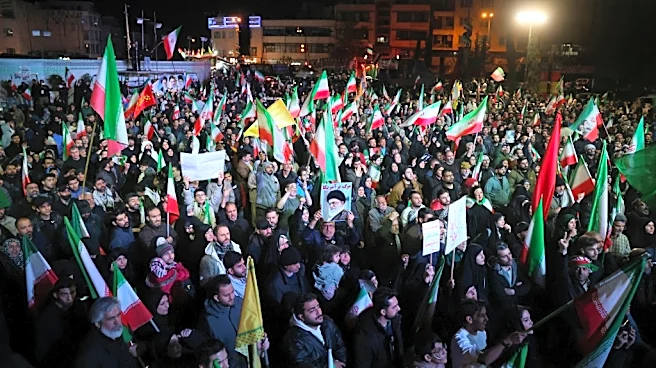
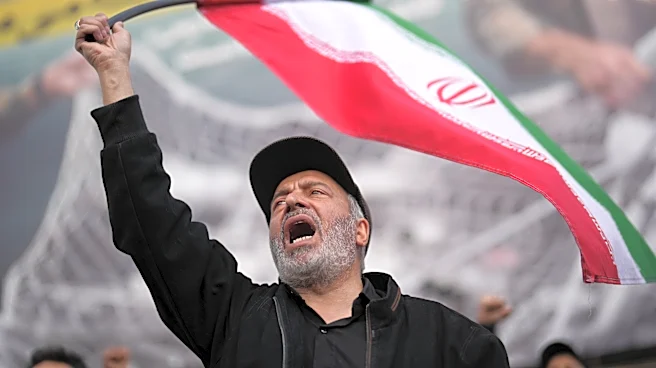
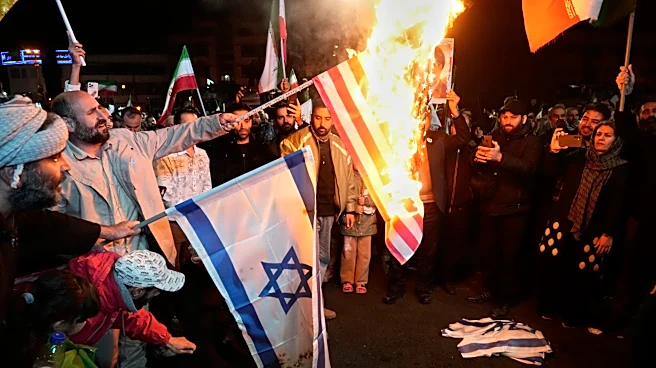
Iran has accused the United States of violating the framework of a recently agreed ceasefire, calling the ongoing talks unreasonable. The ceasefire, which was intended to halt hostilities and open diplomatic channels, has been marred by accusations of breaches
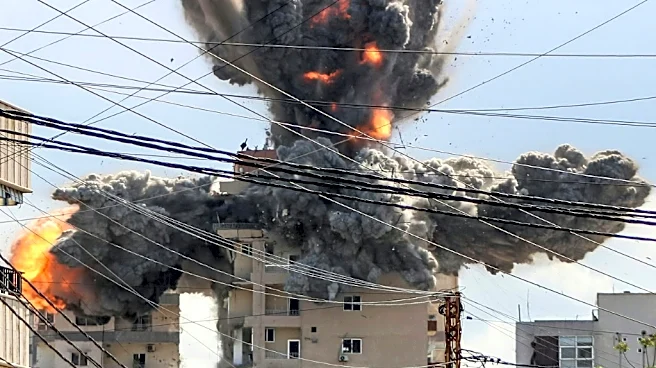
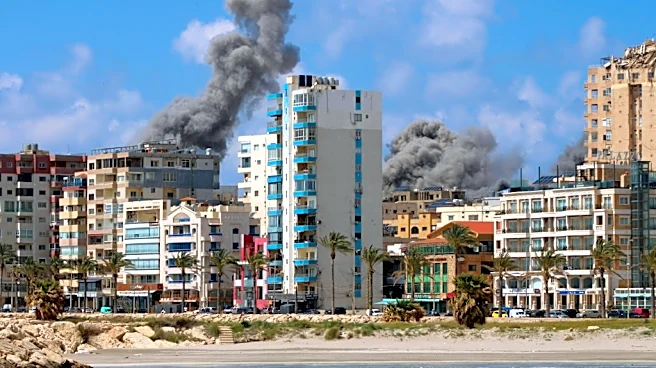
from both sides. Iran's Foreign Minister Abbas Araghchi highlighted discrepancies in the ceasefire terms, particularly regarding the situation in Lebanon, which Iran claims should be included in the truce. The US and Israel, however, dispute this interpretation, leading to heightened tensions and uncertainty about the ceasefire's durability.
Why It's Important?
The accusations of ceasefire violations underscore the fragile nature of the agreement and the deep-seated mistrust between the US and Iran. The situation in Lebanon adds another layer of complexity, as regional dynamics and alliances influence the broader conflict. The ceasefire's success is crucial for regional stability and the prevention of further escalation, which could have significant humanitarian and economic impacts. The ongoing tensions highlight the challenges of achieving a comprehensive and lasting peace in the Middle East, where multiple actors have competing interests and agendas.
What's Next?
The immediate focus will be on diplomatic efforts to address the alleged violations and clarify the terms of the ceasefire. Both sides are expected to engage in negotiations to resolve the discrepancies and prevent further escalation. The international community, including regional powers and global organizations, may play a role in facilitating dialogue and ensuring compliance with the ceasefire terms. The situation remains volatile, with the potential for renewed hostilities if diplomatic efforts fail to produce a satisfactory resolution.