





What's Happening?
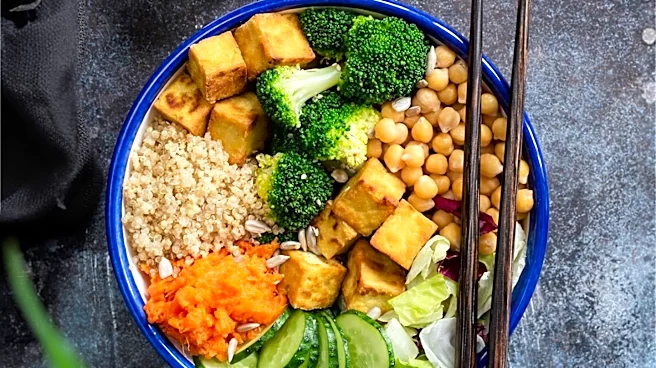
Recent studies led by Jenna AbuSalim and Joshua Rabinowitz at Ludwig Princeton have revealed new insights into the health benefits of plant-based diets. The research, published in the Proceedings of the National Academy of Sciences and Nature Metabolism,
indicates that plant fibers and proteins can reprogram microbial metabolism in the gut. This reprogramming boosts the production of beneficial metabolites while suppressing harmful ones. The studies highlight the role of indigestible proteins, termed 'proteins imitating fiber' (Prif), in enhancing gut health by shifting the balance of phenol metabolites. These findings suggest that plant-based diets not only support gut health but also have broader implications for metabolic health.
Why It's Important?
The findings underscore the potential of plant-based diets in promoting gut health and preventing diseases. By understanding how plant-based foods influence gut microbiota, researchers can develop dietary interventions to enhance health outcomes. The research suggests that plant-based diets could be a viable strategy for managing conditions like cancer and kidney disease, where harmful phenol metabolites are implicated. This could lead to new dietary guidelines and therapeutic approaches that leverage the gut microbiome's role in health.
What's Next?
Future research may focus on identifying specific plant-based foods that optimize gut health and exploring their therapeutic potential. The findings could influence dietary recommendations and public health policies, encouraging a shift towards plant-based eating patterns. Additionally, food manufacturers might consider incorporating Prif into products to enhance their health benefits.
Beyond the Headlines
The research highlights the complex interactions between diet, gut microbiota, and health. It suggests that dietary interventions could be tailored to individual microbiomes, paving the way for personalized nutrition. This approach could revolutionize how we understand and manage health through diet.