

What's Happening?
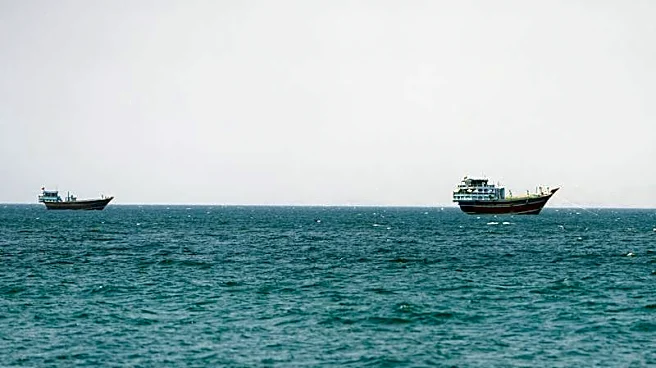
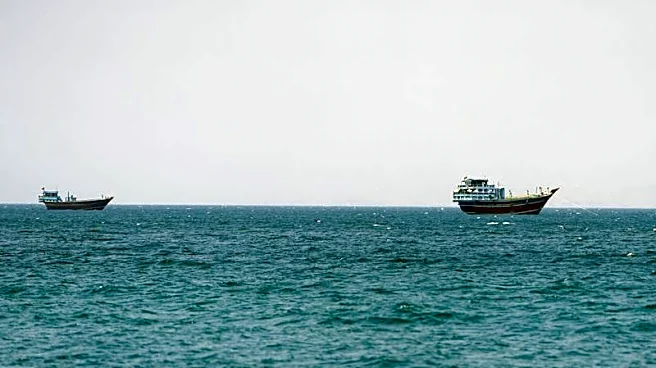
The closure of the Strait of Hormuz has significantly disrupted the flow of natural gas and crude oil, complicating the distribution of refined products such as jet fuel and cooking fuel. This disruption has led to rapid price increases and market volatility,
which theoretically should incentivize investment in alternative fuels. However, the current economic and geopolitical climate makes such investments challenging. The situation underscores a critical blind spot in the global energy transition, particularly affecting regions heavily reliant on Persian Gulf exports, such as Europe, where over 40% of jet fuel imports originate from this area.
Why It's Important?
The closure of the Strait of Hormuz and the resulting energy supply disruptions highlight the vulnerabilities in the global energy infrastructure, particularly for countries dependent on Persian Gulf exports. For the U.S., this situation emphasizes the need to accelerate the transition to alternative fuels to reduce reliance on volatile regions. The current market conditions present both a challenge and an opportunity for businesses and policymakers to innovate and invest in sustainable energy solutions. The ability to adapt to these changes will be crucial for maintaining energy security and economic stability.
What's Next?
In response to the ongoing challenges, governments and industries may need to enhance coordination to develop the necessary infrastructure for alternative fuels. This could involve increased tax incentives, regulatory support, and international collaboration to ensure a stable transition. The U.S. and other affected regions might also explore diversifying their energy sources and investing in domestic production capabilities to mitigate future risks associated with geopolitical tensions.
Beyond the Headlines
The current situation also raises ethical and environmental considerations regarding the pace and direction of the energy transition. As countries and companies navigate these challenges, there is a growing need to balance economic interests with environmental sustainability. The crisis could serve as a catalyst for more robust policy frameworks that prioritize long-term ecological health over short-term economic gains.