







What's Happening?
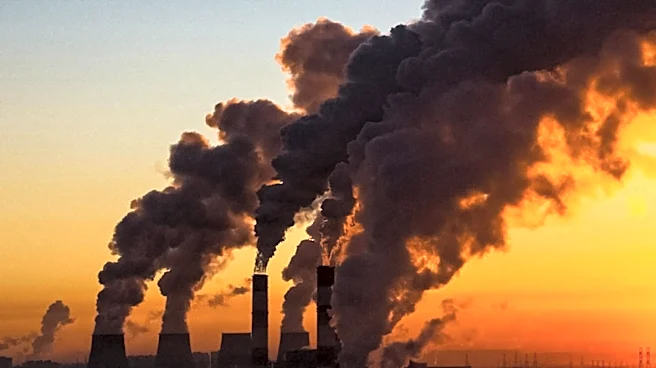
Exposure to environmental hazards such as benzene and tobacco smoke has been identified as a contributing factor to the development of Myelodysplastic Syndromes (MDS). MDS is a group of cancers where the bone marrow fails to produce enough healthy blood
cells, leading to conditions like pancytopenia, a simultaneous drop in red blood cells, white blood cells, and platelets. While age and acquired genetic mutations are significant risk factors, environmental factors play a crucial role. Benzene, a chemical found in various industrial products and tobacco smoke, contains toxins that can damage bone marrow cells, increasing the risk of MDS. Previous treatments like chemotherapy and radiation for other cancers also elevate the risk due to their potential to harm healthy bone marrow cells. The disease is more common in older adults, typically over 65, as bone marrow stem cells become more prone to errors with age. Early detection and understanding these risk factors are vital for managing the disease.
Why It's Important?
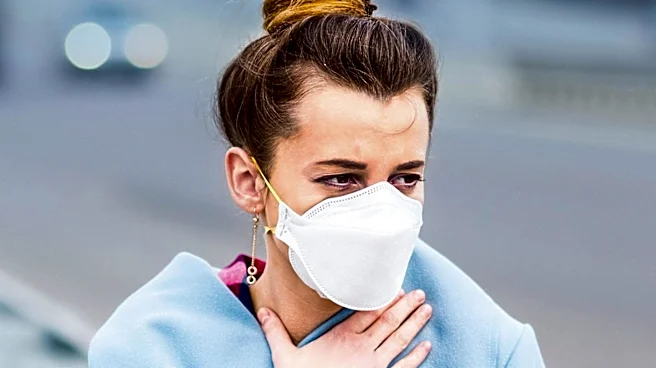
The link between environmental carcinogens and MDS highlights the broader public health implications of chemical exposure and air quality. Understanding these connections is crucial for public health initiatives aimed at reducing exposure to harmful substances. For individuals, awareness of these environmental risks can inform lifestyle choices, such as avoiding tobacco smoke and minimizing exposure to industrial chemicals. From a healthcare perspective, this information aids in risk assessment and early diagnosis, particularly for individuals with a history of exposure. The economic impact can be significant, as MDS treatments are often complex and costly, involving supportive care, targeted medications, and potentially stem cell transplants. Reducing environmental triggers could lead to a decrease in MDS incidence, thereby alleviating some of the burden on healthcare systems and improving overall public health outcomes. This also underscores the importance of regulatory bodies like the EPA in controlling environmental pollutants.
What's Next?
Further research is expected to delve deeper into the specific mechanisms by which environmental carcinogens trigger MDS and to identify other potential environmental risk factors. This could lead to more refined public health guidelines and stricter regulations on industrial chemicals. For individuals with a history of exposure to benzene or tobacco smoke, increased vigilance and regular health screenings, particularly complete blood counts, may become standard recommendations. Healthcare providers will likely continue to emphasize the importance of a detailed patient history, including environmental and occupational exposures, to better assess MDS risk. Additionally, advancements in diagnostic tools, such as liquid biopsies, may offer earlier detection capabilities, allowing for more timely interventions and improved patient outcomes. Public awareness campaigns about the dangers of environmental carcinogens could also be intensified.
Beyond the Headlines
The connection between environmental carcinogens and MDS extends beyond individual health, touching upon broader societal and ethical considerations. It raises questions about corporate responsibility in managing industrial waste and emissions, and the effectiveness of current environmental protection policies. The disproportionate impact of environmental pollution on certain communities, often those with lower socioeconomic status, highlights issues of environmental justice. Long-term, this understanding could drive innovation in green chemistry and sustainable industrial practices to minimize the release of harmful chemicals. It also underscores the need for a holistic approach to health, recognizing that individual well-being is intricately linked to the health of the environment. Legal frameworks may evolve to hold entities accountable for environmental contamination that leads to diseases like MDS, potentially leading to more robust environmental litigation and compensation for affected individuals.