



What's Happening?
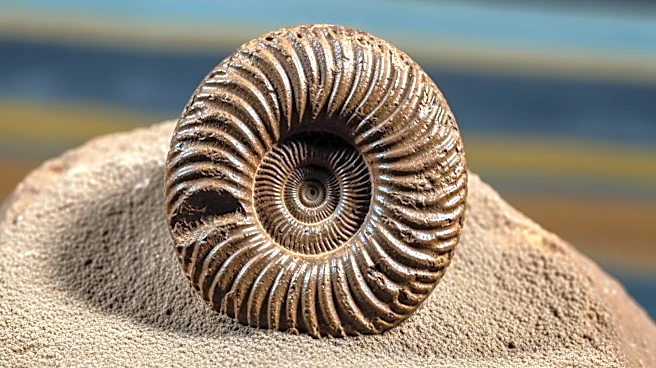
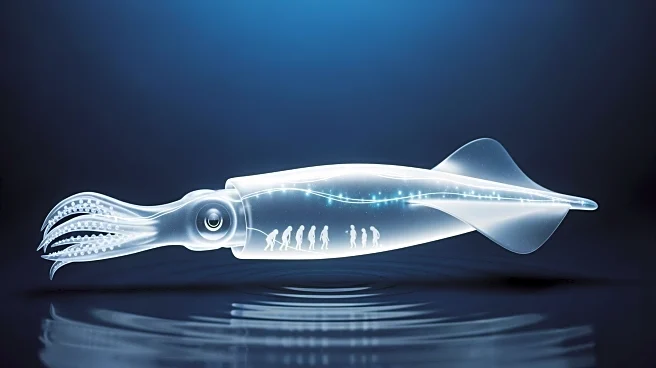
A recent study published in Nature explores the rapid diversification of squid and cuttlefish during the mid-Cretaceous period. Researchers have sequenced genomes from previously unsampled lineages, providing insights into the evolutionary history of these
cephalopods. The study suggests that the diversification occurred before these species adapted to coastal environments, supporting a 'long fuse' model of evolution. This research fills significant phylogenetic gaps and offers a comprehensive framework for understanding cephalopod evolution, highlighting the genetic adaptations that facilitated their transition to diverse habitats.
Why It's Important?
This research is crucial for understanding the evolutionary processes that have shaped marine biodiversity. By uncovering the genetic basis of cephalopod diversification, the study provides valuable insights into how species adapt to changing environments. This knowledge can inform conservation strategies, particularly as marine ecosystems face increasing threats from climate change and human activities. The findings also contribute to the broader understanding of evolutionary biology, offering a model for studying rapid diversification in other species.
Beyond the Headlines
The study's implications extend to the fields of genetics and evolutionary biology, offering a deeper understanding of how genetic diversity and environmental pressures drive species evolution. The research highlights the importance of genomic studies in uncovering evolutionary histories and could inspire further investigations into other marine organisms. Additionally, the study underscores the role of historical climate events in shaping current biodiversity, providing a context for predicting future ecological shifts.