


What's Happening?
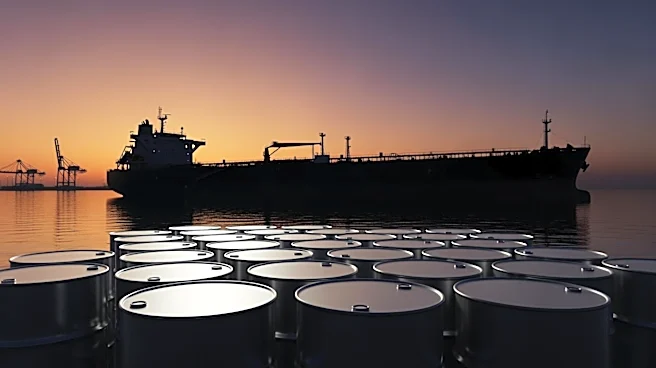
South Korea has begun importing Russian naphtha to mitigate disruptions in its semiconductor supply chain caused by the Middle East crisis. The closure of the Strait of Hormuz by Iran has severely impacted the flow of oil and gas, leading to a shortage
of naphtha, a crucial petrochemical feedstock. South Korea, heavily reliant on Middle Eastern naphtha, has secured 27,000 tonnes from Russia under a temporary US sanctions waiver. This move is a response to the urgent need for naphtha to sustain its semiconductor industry, which is vital for global DRAM and high-bandwidth memory production.
Why It's Important?
The shift to Russian naphtha highlights the vulnerability of global supply chains to geopolitical tensions. South Korea's semiconductor industry, a key player in the global market, faces significant risks due to its dependence on Middle Eastern resources. The crisis underscores the need for diversification in supply sources to ensure stability in critical industries. The situation also reflects broader economic implications, as disruptions in semiconductor production can affect various sectors reliant on these components, from consumer electronics to automotive industries.
What's Next?
South Korea may continue to seek alternative sources of naphtha and other critical materials to reduce dependency on the Middle East. The government is likely to implement further measures to stabilize the supply chain, including potential extensions of the US sanctions waiver. The semiconductor industry will need to adapt to these changes, possibly accelerating efforts to diversify supply chains and enhance resilience against future disruptions. Monitoring the geopolitical landscape and its impact on global trade will be essential for stakeholders in the semiconductor and related industries.