





What's Happening?
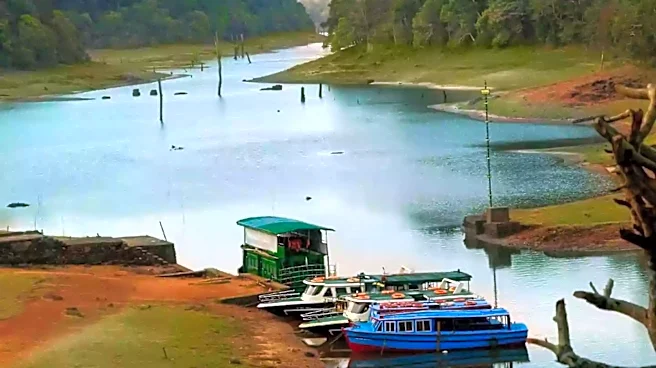
Smith Mountain Lake in Virginia faced significant challenges this summer due to drought conditions, leading to unusually low water levels. This environmental change resulted in a shift in the types of emergencies handled by Smith Mountain Lake Marine
Fire and Rescue. Chief Todd Ohlerich reported that while the overall number of calls remained consistent, there was a notable increase in incidents involving boats running aground, a less common occurrence in typical summers. Many of these groundings happened at night, exacerbated by boaters relying on GPS systems and electronic charts that do not accurately reflect current lake conditions. The low water levels also led to more emergency medical calls, particularly from individuals stepping off docks expecting deeper water. Chief Ohlerich emphasized the importance of boater awareness regarding their surroundings and the limitations of navigation systems in dynamic lake conditions.
Why It's Important?
The altered conditions at Smith Mountain Lake highlight the broader impact of environmental factors, such as drought, on recreational areas and local emergency services. The increase in boat groundings and medical emergencies underscores potential safety risks for the public and places additional strain on rescue operations. This situation also reveals a critical gap in current navigation technology, as GPS and electronic charts may not provide real-time water level data, leading to hazardous situations for boaters. For local businesses dependent on tourism, such as those around Smith Mountain Lake, these challenges could deter visitors and negatively affect the regional economy. The need for updated safety protocols and improved real-time information for recreational water users becomes paramount to mitigate risks and support local economies reliant on natural attractions.
What's Next?
Boaters at Smith Mountain Lake are advised to continue exercising extreme caution, especially in shallow areas, and to be aware that navigation systems may not reflect current water levels. Emergency services will likely continue to adapt their response strategies to address the ongoing challenges posed by fluctuating water levels. There may be a push for better integration of real-time environmental data into recreational navigation tools or for public awareness campaigns to educate boaters about the risks of relying solely on outdated charts. Local authorities and environmental agencies might also explore long-term solutions for managing water levels and mitigating the effects of drought on recreational lakes, potentially involving water conservation efforts or infrastructure adjustments to maintain safe conditions for public use.
Beyond the Headlines
The situation at Smith Mountain Lake points to a growing concern about the resilience of recreational infrastructure and public safety in the face of climate variability. As drought conditions become more frequent or severe in various regions, other lakes and waterways across the U.S. could experience similar issues, impacting local tourism, economies, and emergency response capabilities. This scenario also raises questions about the responsibility of technology providers to ensure their navigation tools are adaptable to dynamic environmental changes. Furthermore, it highlights the broader societal challenge of balancing recreational activities with environmental conservation and the need for proactive measures to protect both natural resources and human safety in a changing climate. The reliance on technology without understanding its limitations can create a false sense of security, emphasizing the enduring importance of human vigilance and local knowledge.