





What's Happening?
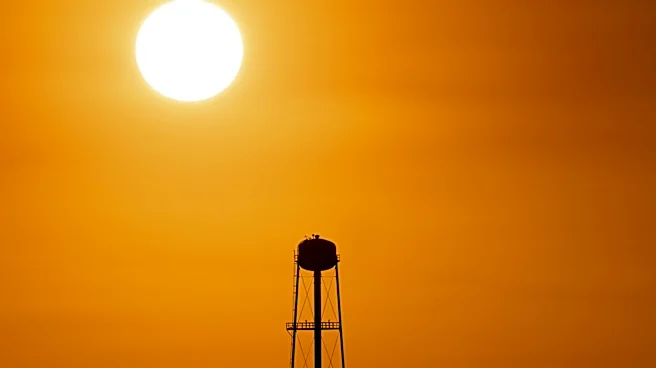
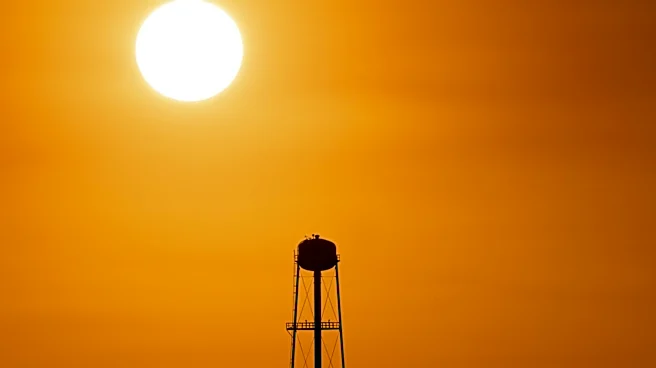
North Texas is bracing for extreme heat, with a First Alert Weather Day declared due to anticipated dangerous conditions. A heat advisory is set to take effect at noon, with feels-like temperatures expected to reach 110 degrees Fahrenheit and actual temperatures approaching
100 degrees. The region is preparing for the impact of this heatwave, which poses significant health risks to residents, particularly vulnerable populations such as the elderly and those with pre-existing health conditions.
Why It's Important?
The extreme heat in North Texas highlights the increasing frequency and severity of heatwaves, which are becoming a more common feature of the climate landscape. Such conditions pose serious health risks, including heat exhaustion and heatstroke, and can strain local healthcare systems. The situation underscores the need for communities to develop heat action plans and for individuals to take precautions to protect themselves from the heat. It also raises awareness of the broader implications of climate change and the importance of building resilience to extreme weather events.
What's Next?
As the heatwave continues, local authorities may implement additional measures to protect public health, such as opening cooling centers and issuing public health advisories. Residents are advised to stay hydrated, avoid outdoor activities during peak heat, and check on vulnerable neighbors. In the long term, the region may need to invest in infrastructure improvements to better withstand extreme heat and consider policy measures to address the root causes of climate change.
Beyond the Headlines
The heatwave in North Texas serves as a reminder of the broader societal and economic impacts of climate change. It highlights the need for a coordinated response to extreme weather events and the importance of community resilience. The situation may also prompt discussions about the role of urban planning and design in mitigating the effects of heatwaves, such as increasing green spaces and improving building insulation.