


What's Happening?
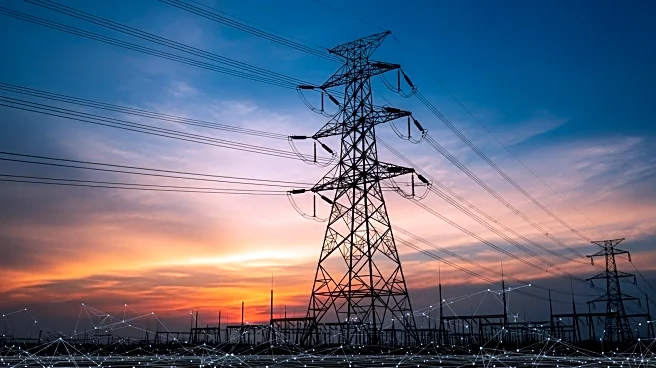
The U.S. national grid is experiencing significant challenges due to a surge in electricity demand and existing infrastructure constraints. According to a report, over 2,500 gigawatts of projects, including renewables and data centers, are stalled worldwide
due to connection queue bottlenecks. In the U.S., the aging grid infrastructure is struggling to meet the rising power demand, with investments lagging behind. The International Energy Agency (IEA) notes that global electricity demand is expected to grow by more than 3.5% annually through the end of the decade, driven by increased consumption from industries, electric vehicles, and data centers. Despite a rise in power-generating sources like renewables, nuclear, and natural gas, their integration into the grid remains a challenge. The U.S. accounted for a significant portion of global grid spending, yet supply chain and labor constraints continue to hinder progress.
Why It's Important?
The challenges facing the U.S. grid have significant implications for the country's energy security and economic growth. As electricity demand continues to rise, the inability to efficiently connect new power sources could lead to energy shortages and increased reliance on fossil fuels. This situation poses a risk to the U.S.'s ability to meet its climate goals and maintain a competitive edge in the global energy market. The stalled projects and infrastructure bottlenecks could also impact industries reliant on stable power supply, such as data centers and manufacturing. Addressing these issues is crucial for ensuring a reliable energy supply and supporting the transition to a more sustainable energy system.
What's Next?
To address these challenges, increased investment in grid infrastructure and regulatory reforms are necessary. The integration of grid-enhancing technologies could help alleviate some of the bottlenecks, but significant financial and policy commitments are required. Stakeholders, including government agencies, energy companies, and investors, will need to collaborate to develop solutions that enhance grid flexibility and capacity. Without timely action, the U.S. risks falling behind in the global energy transition and facing potential power shortages by 2030.